What Information Helps a Stockton Tow Company Send the Right Truck

Samuel Gramajo • August 11, 2026

The right equippment

When your vehicle needs a tow in Stockton or San Joaquin County, the most useful thing you can do is give the dispatcher clear, accurate details. A professional local company will then decide whether a wheel-lift, wheel-lift with dollies, or flatbed is the right tool for the job.


Here’s why that information matters and what to share.


**Why the Right Equipment Matters**


Different vehicles and situations call for different towing methods.


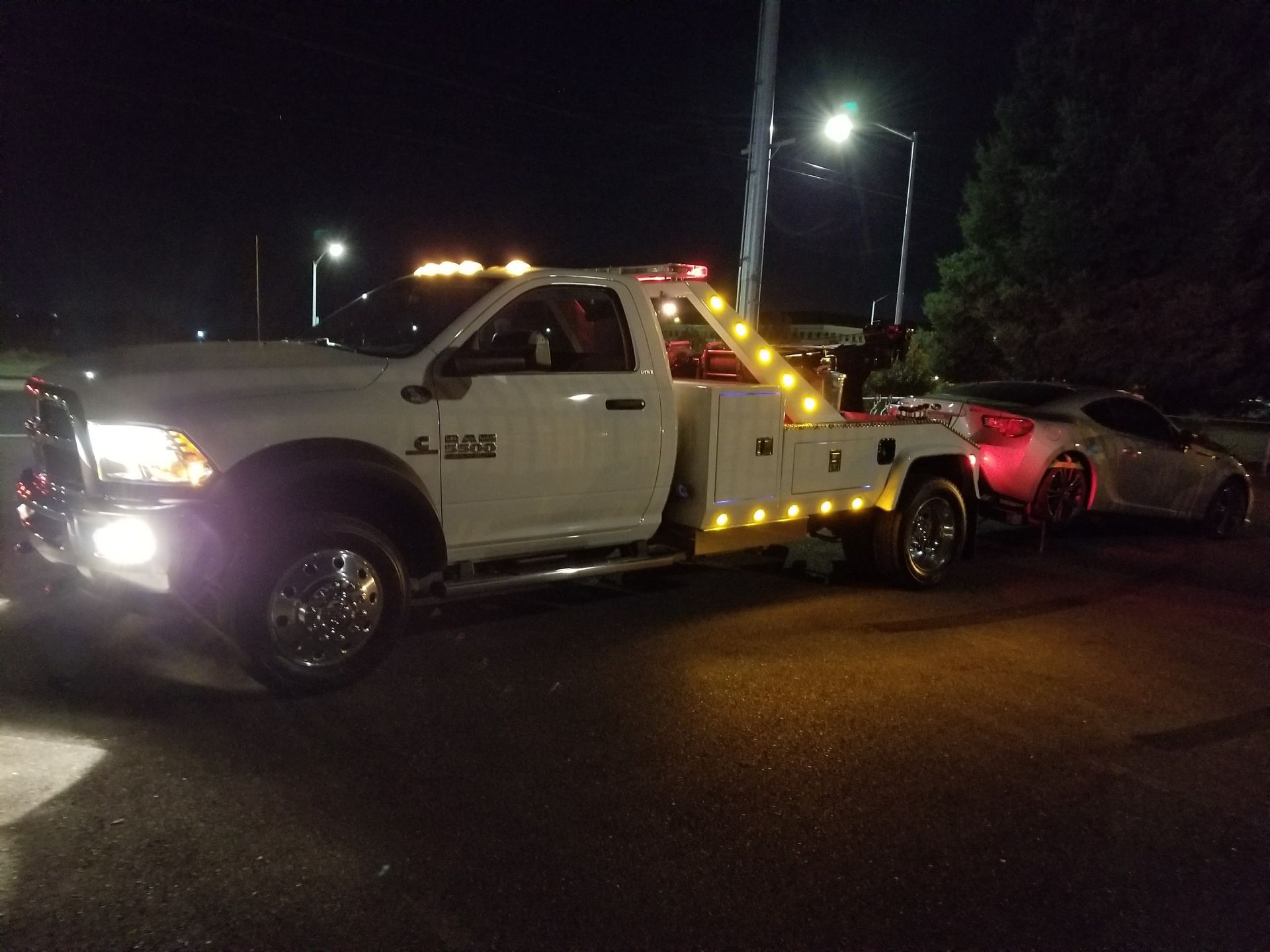
A standard wheel-lift raises one axle so two wheels stay on the ground and roll. It works well for many two-wheel-drive cars on short, straightforward moves and is often quicker in tight spaces.


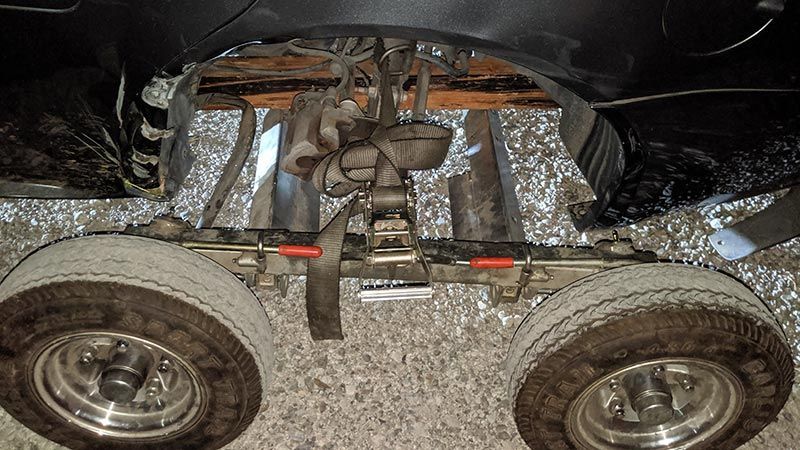
Adding specialized dollies under the free-rolling axle lifts the remaining wheels off the ground. That change prevents drivetrain rotation, making the combination a safe option for many all-wheel-drive and four-wheel-drive vehicles, cars stuck in Park, or situations where a full flatbed cannot fit.


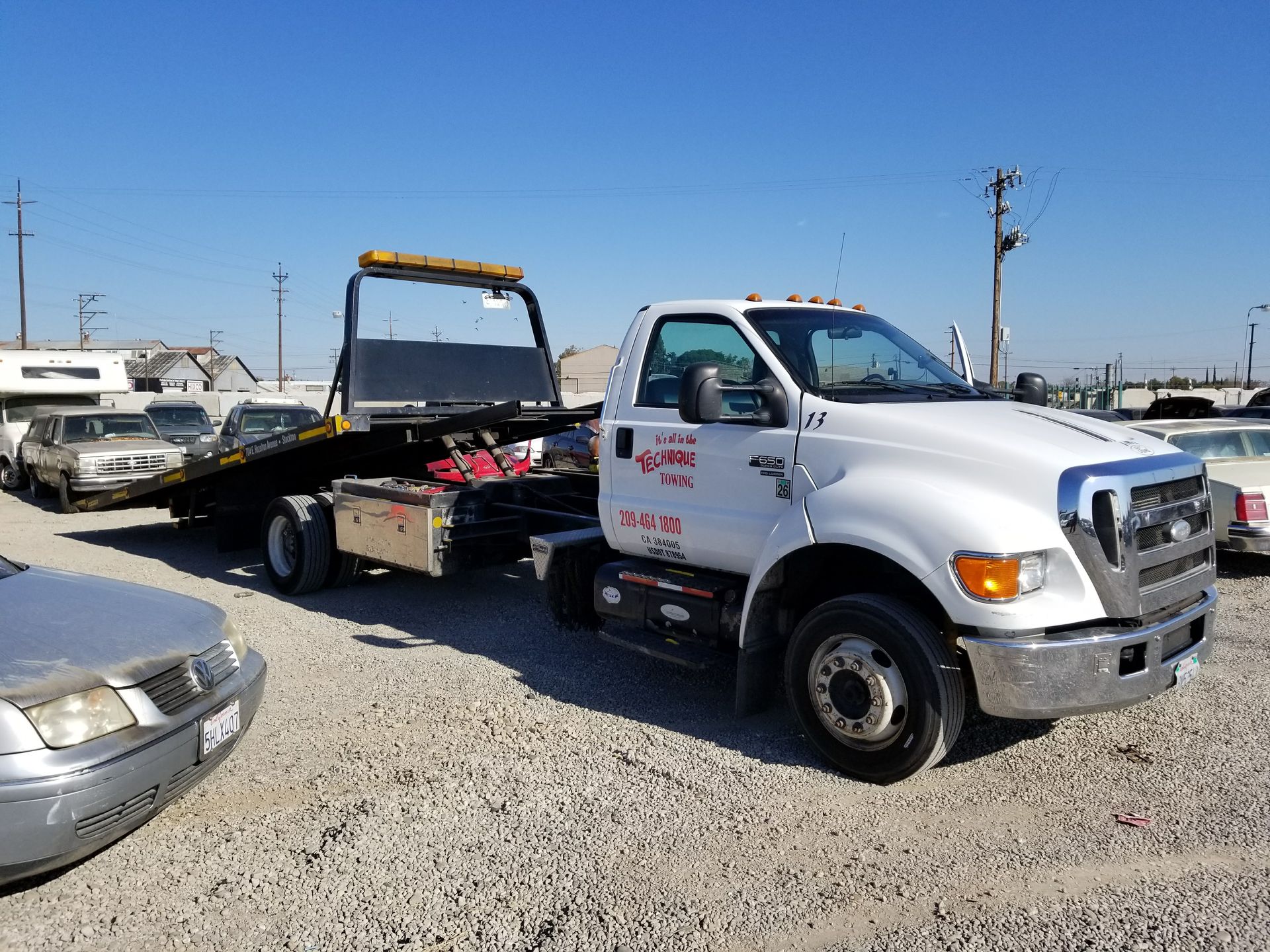
A flatbed loads the entire vehicle onto a platform so no wheels touch the road. It offers the highest level of protection and is frequently preferred for electric vehicles, collision damage, low-clearance cars, luxury vehicles, or longer transports.


Sending the wrong setup can risk drivetrain damage or leave the operator unable to load the vehicle safely. Giving good information up front lets the company match the truck to the actual conditions.


**What to Tell the Dispatcher**


You do not need to diagnose the best method yourself. Just answer a few practical questions as clearly as you can:


- Make, model, and approximate year of the vehicle

- Whether it is front-wheel, rear-wheel, all-wheel, or four-wheel drive

- Current condition: Can it roll? Are any wheels locked or damaged? Is it stuck in Park? Are the keys available?

- Any recent collision or visible undercarriage/suspension damage

- Exact location and access details (highway shoulder, parking garage, narrow alley, residential driveway, low clearance, etc.)

- Whether the vehicle is an electric or hybrid model


These details allow an experienced dispatcher to choose the appropriate truck and equipment before it leaves the yard. A good local operator will confirm the plan with you and explain why that equipment is being sent.


**Trusting Local Professionals**


On busy roads like I-5 and Highway 99, or in crowded Stockton parking areas, conditions change quickly. Construction zones, overnight lane work, and limited space often influence which truck can reach you safely and load the vehicle without further risk.


A family-owned company that runs both wheel-lift trucks (with dollies) and flatbeds can adapt to the situation rather than forcing one method on every call. When you provide accurate information, they can do their job efficiently and protect your vehicle in the process.


Technique Towing has served Stockton and the surrounding Central Valley for years with the equipment and experience to match the right truck to the job. If you need help, call (209) 464-1800 anytime. Give the dispatcher the details above, and we’ll take it from there.
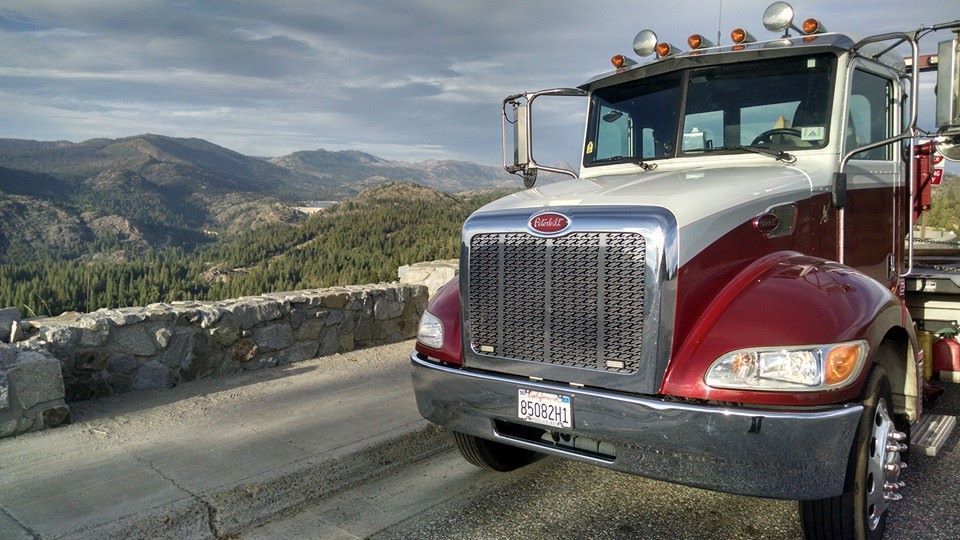
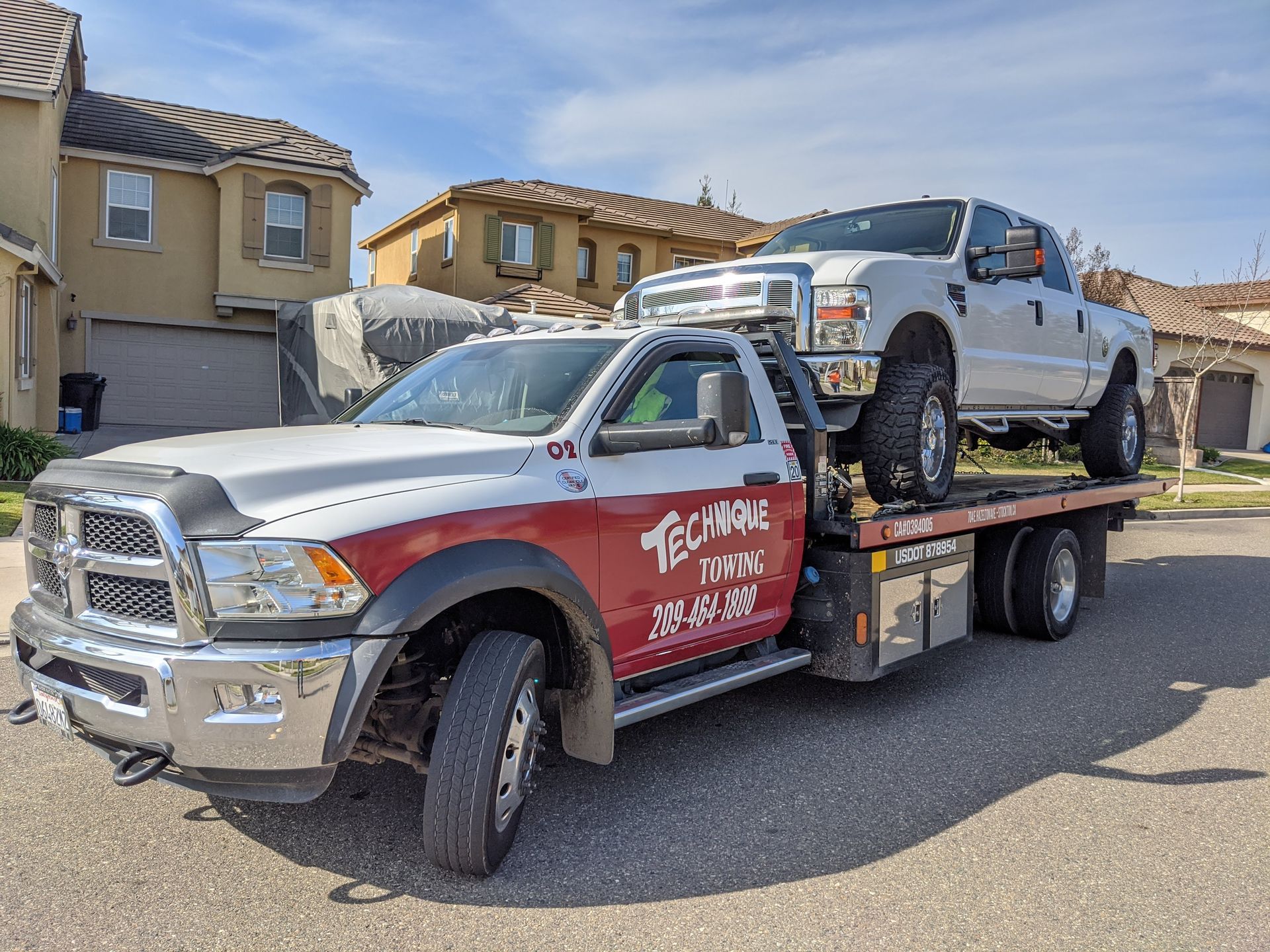
By Samuel Gramajo • September 22, 2026
Major wrecks on Interstate 5 and Highway 99 can shut down lanes for hours. Stockton drivers saw that again recently when a multi-vehicle crash involving an overturned big rig closed several northbound I-5 lanes south of March Lane during the evening commute. Whether you're in the backup itself or approaching the slowdown, a few calm decisions make the situation safer and less stressful. This isn't about what to do if your own car is disabled on the shoulder—that's a different checklist. This is about surviving a long Stockton freeway backup when traffic simply stops. Why Central Valley freeways jam so hard after a wreck I-5 and Hwy 99 carry local traffic and heavy freight through San Joaquin County. When a big rig goes down or multiple vehicles block lanes, responders need room to work. Cleanup, tow-outs, and investigations take time. The result for everyone else: stop-and-go or full stops that stretch for miles. Expect delays. Don't assume the left lane is faster. And don't treat a dead stop as a chance to check out the crash up close. If you're already stuck in the backup Stay in your vehicle unless there's an immediate danger (fire, smoke in the cabin, or responders telling you to move). Your car is usually the safest place in a packed freeway queue. Give yourself space. Leave room ahead so you can steer if the vehicle in front rolls back or a lane suddenly opens. Keep lights on if visibility is poor. Dusk, glare, or dust from an overturned load can make a stopped queue hard to see. Don't rubberneck. Looking at the wreck raises rear-end risk and slows the lane that is moving. Watch your fuel and cabin temperature. In Stockton heat, idle with A/C in short cycles if you can; in cooler months, crack a window. If you're low on fuel, shut the engine off when you're clearly stopped for a long stretch, then restart when traffic creeps. Update someone. A quick text that you're delayed—not stuck broken down—reduces worry at home. If your vehicle starts overheating or you have a medical need, call for help and describe your exact location (direction, nearest exit or cross street, lane if you know it). If you're approaching the slowdown Merge early when signs or brake lights show a closure ahead. Last-second lane dives cause secondary crashes. Follow CHP and Caltrans directions. Temporary exits, shoulder use, or detours exist for a reason. Use a map app for an alternate, but don't trust a "shortcut" that dumps you onto another jammed arterial. Sometimes the freeway crawl is still the safest option. Assume tow trucks and emergency vehicles need the shoulder. Keep it clear. After traffic starts moving again Ease back up to speed. Leave extra following distance—people are distracted after a long stop. If you notice your own car acting up from idling (overheat warning, strange smells), pull into a safe exit or parking lot and call for roadside help rather than forcing it to the next city. Local help when a backup turns into your problem Sometimes a freeway shutdown is just a delay. Sometimes it's when a temperature light comes on, a tire gives out after sitting in traffic, or you need a tow off I-5 or Hwy 99 near Stockton. Technique Towing is a family-owned Stockton company serving San Joaquin County and nearby Central Valley roads 24/7. If you need a tow or roadside help, call (209) 464-1800 and share your direction of travel, closest exit or cross street, and vehicle type so we can send the right truck. Drive patient. Give crews room to work. And if the backup becomes a breakdown, don't wait on a live lane—get help.
By Samuel Gramajo • September 3, 2026
Highway Safety
By Samuel Gramajo • September 2, 2026
Towing and Roadside Insurance
By Samuel Gramajo • August 18, 2026
Flatbed vs Wheel-Lift
By Samuel Gramajo • August 11, 2026
Roadside Safety
By Samuel Gramajo • August 11, 2026
The Heat can be brutal!