Flatbed vs. Wheel-Lift Towing: Which Does Your Vehicle Need in Stockton?
Flatbed vs Wheel-Lift
When your vehicle ends up stranded on I-5, Highway 99, or a local Stockton street, the type of tow truck that shows up matters. Using the wrong equipment can risk damage to your car, truck, or EV. As a family-owned towing company that’s handled these calls across San Joaquin County for years, we see the confusion regularly. Here’s a clear breakdown of the two most common methods—flatbed and wheel-lift—so you know what to expect and can help the dispatcher send the right truck.
What Is Wheel-Lift Towing?
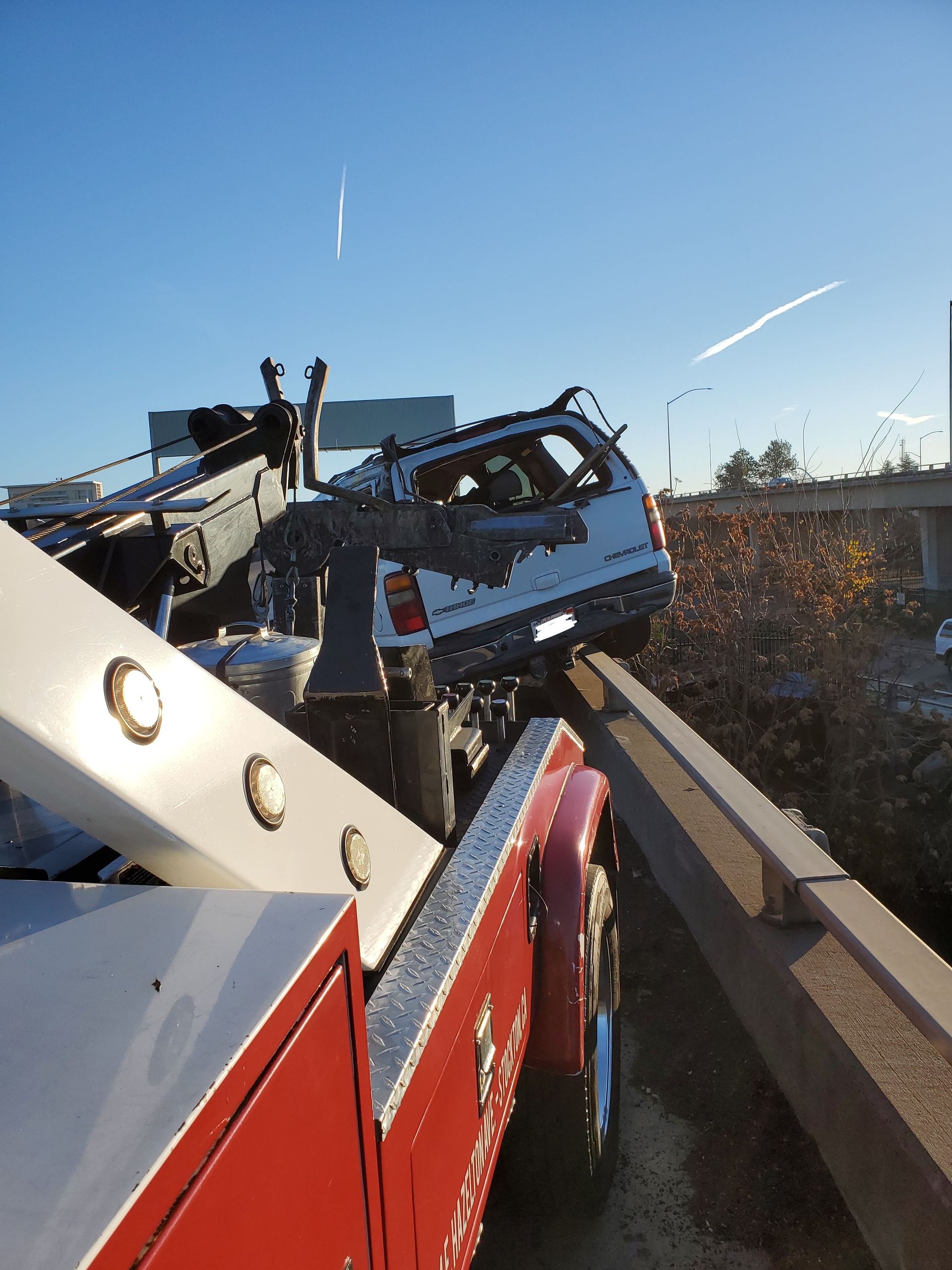
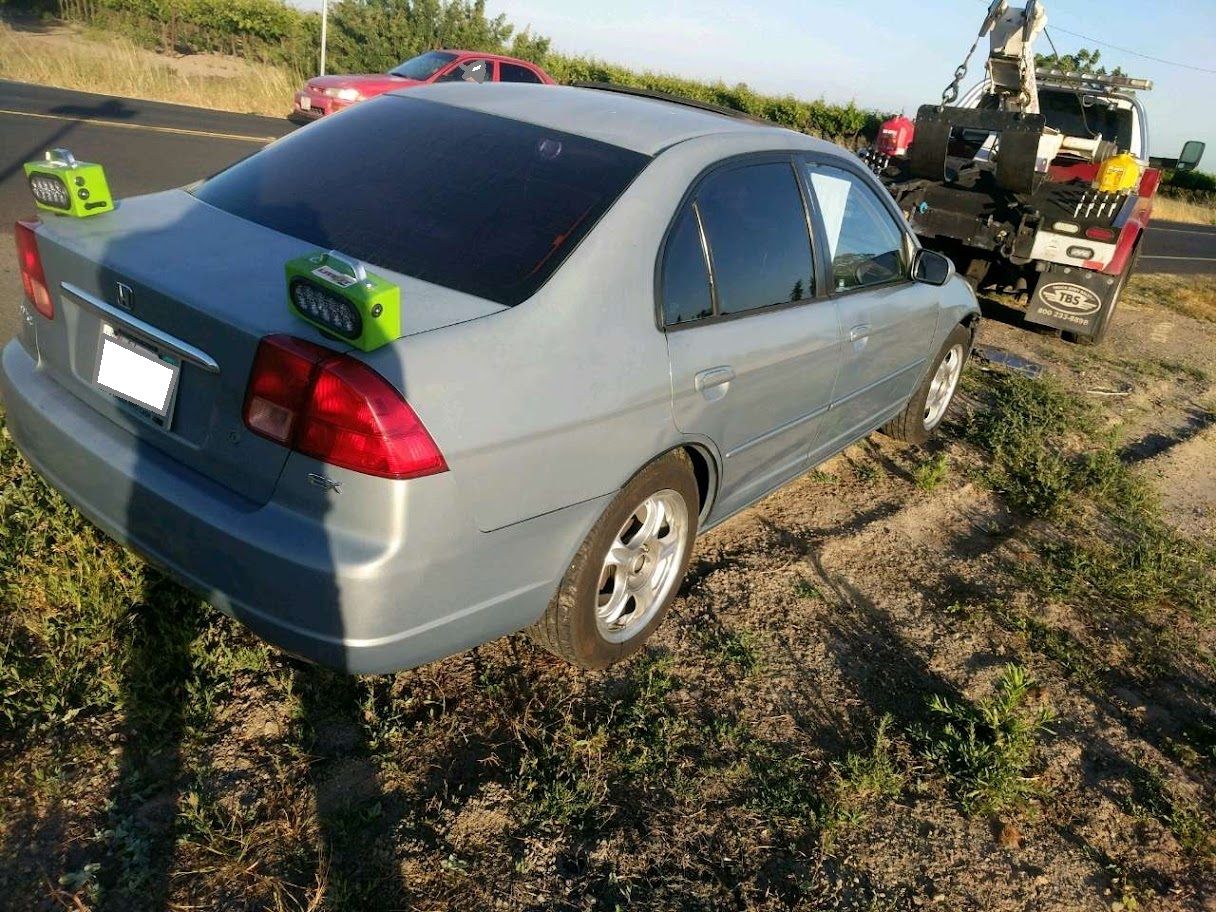
A wheel-lift (sometimes called a wrecker or sling-style in older setups) uses a metal yoke or arms that cradle the front or rear wheels and lifts them off the ground. The other axle stays on the pavement and rolls as the tow truck moves.
This method works well for many standard passenger cars and light trucks that have no special clearance or drivetrain issues. It’s often quicker to set up on the side of the road and can be a good fit for shorter local tows when the vehicle can safely roll on its remaining wheels.
Wheel-lift is less ideal for:
- All-wheel-drive or four-wheel-drive vehicles (the free-rolling wheels can still cause transmission or differential stress)
- Lowered cars, sports cars, or vehicles with low ground clearance
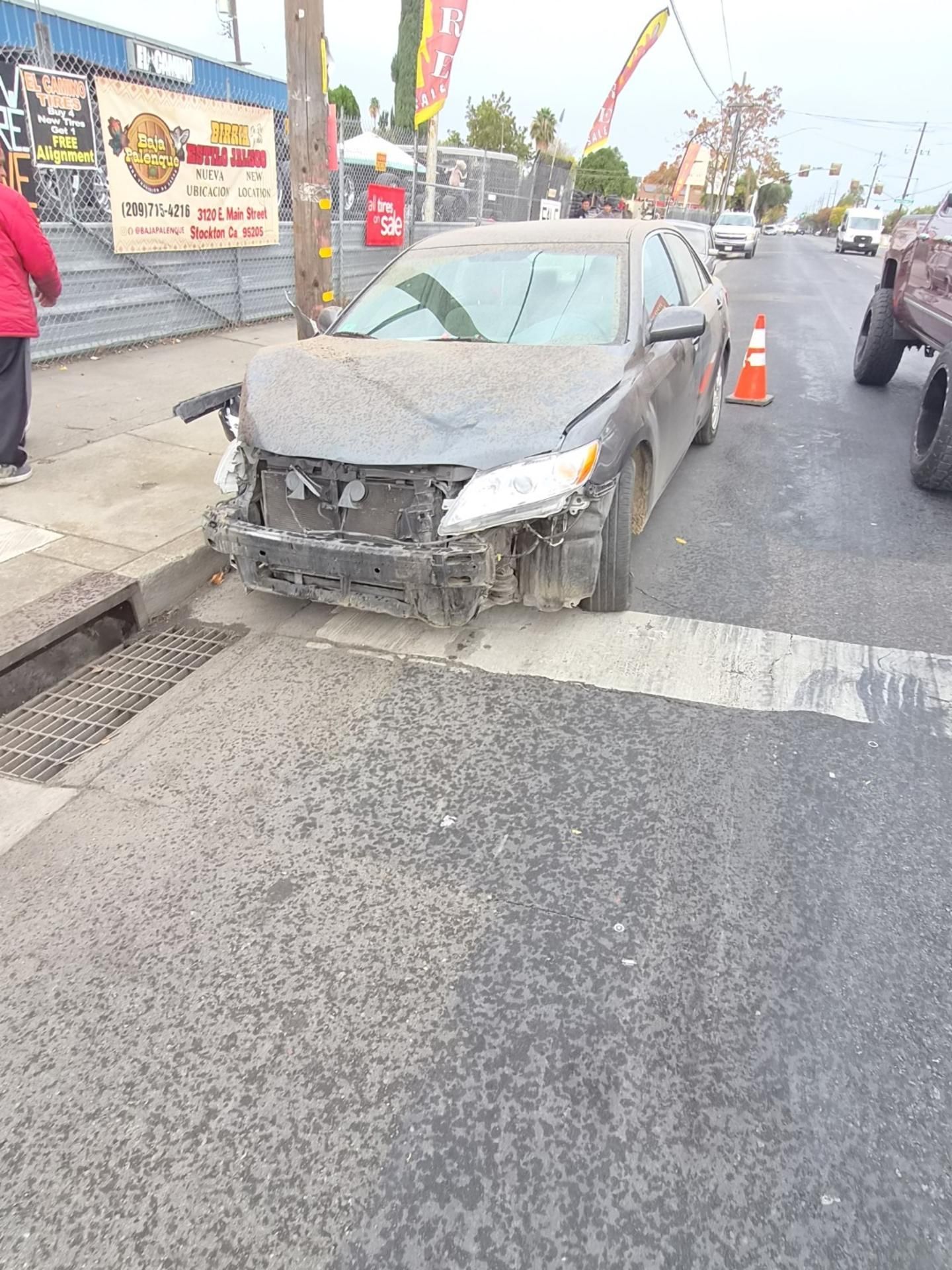
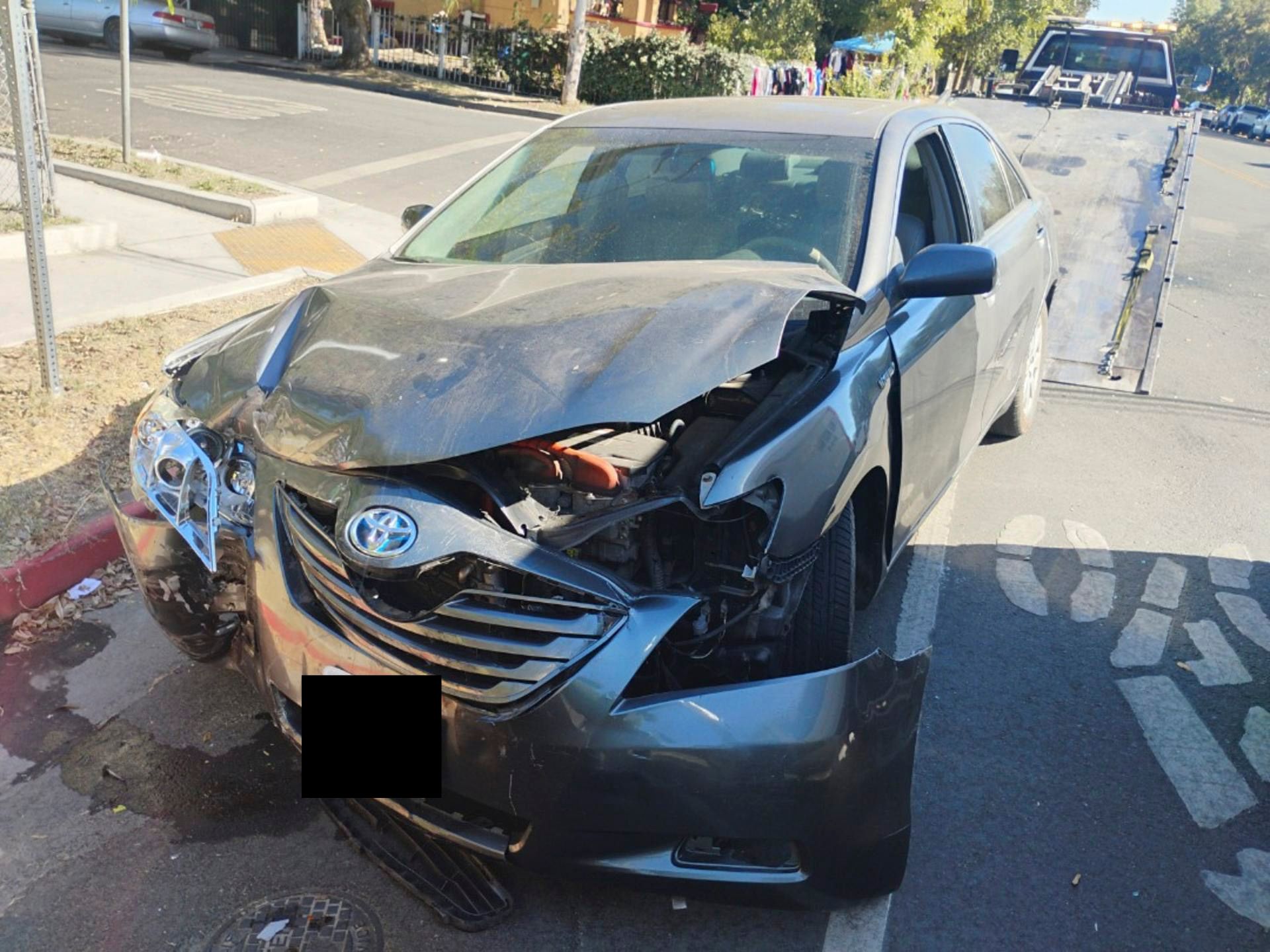
- Vehicles with significant front-end or rear-end damage
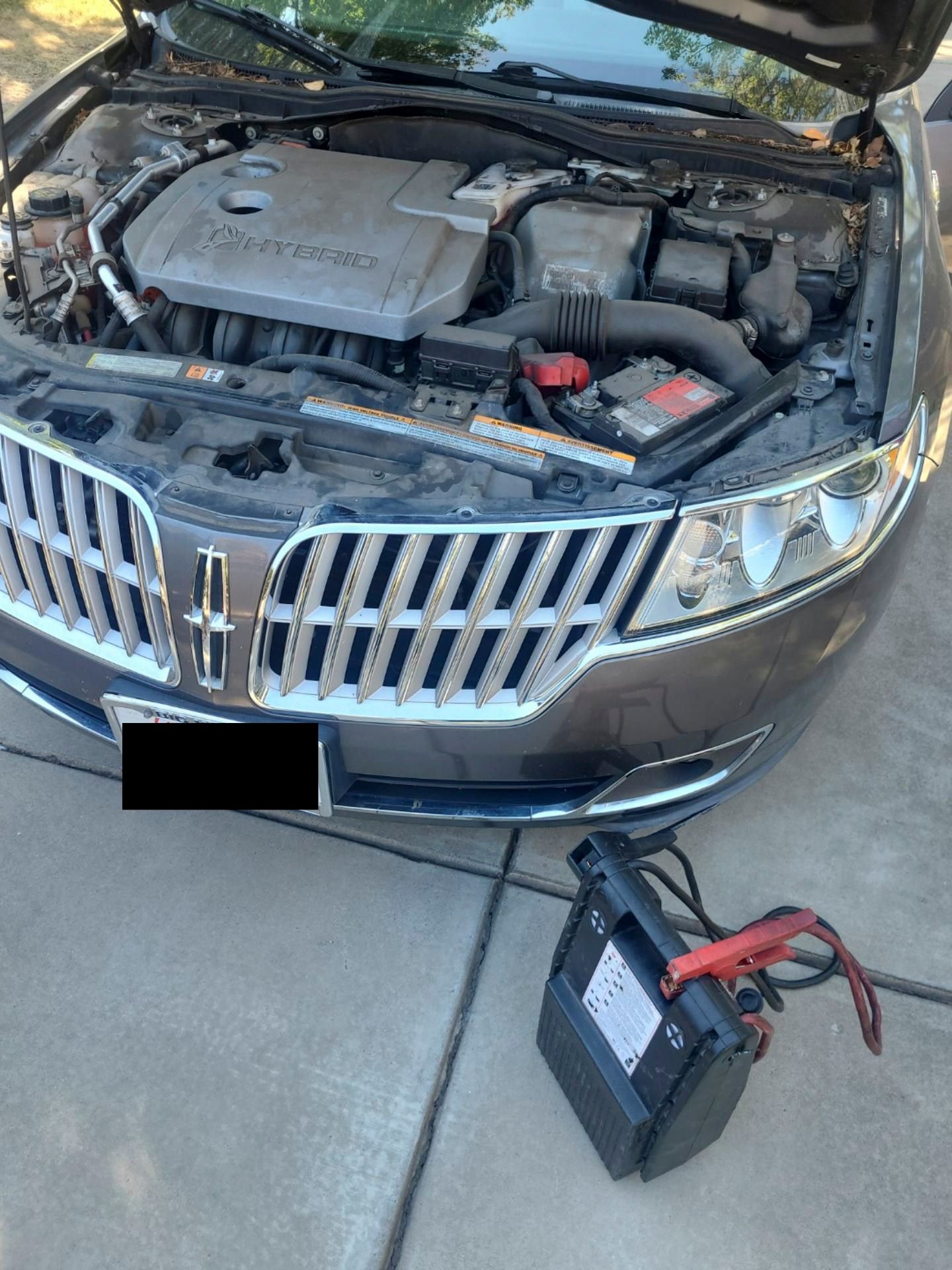
- Many modern EVs and Teslas that manufacturers prefer not to have any wheels rolling under power-system stress
Wheel-lift trucks are equipped with dollies, which are set up under the rolling wheels to prevent these issues and are recommended by these manufacturers as a safe alternative to flatbed towing.
What Is Flatbed Towing?
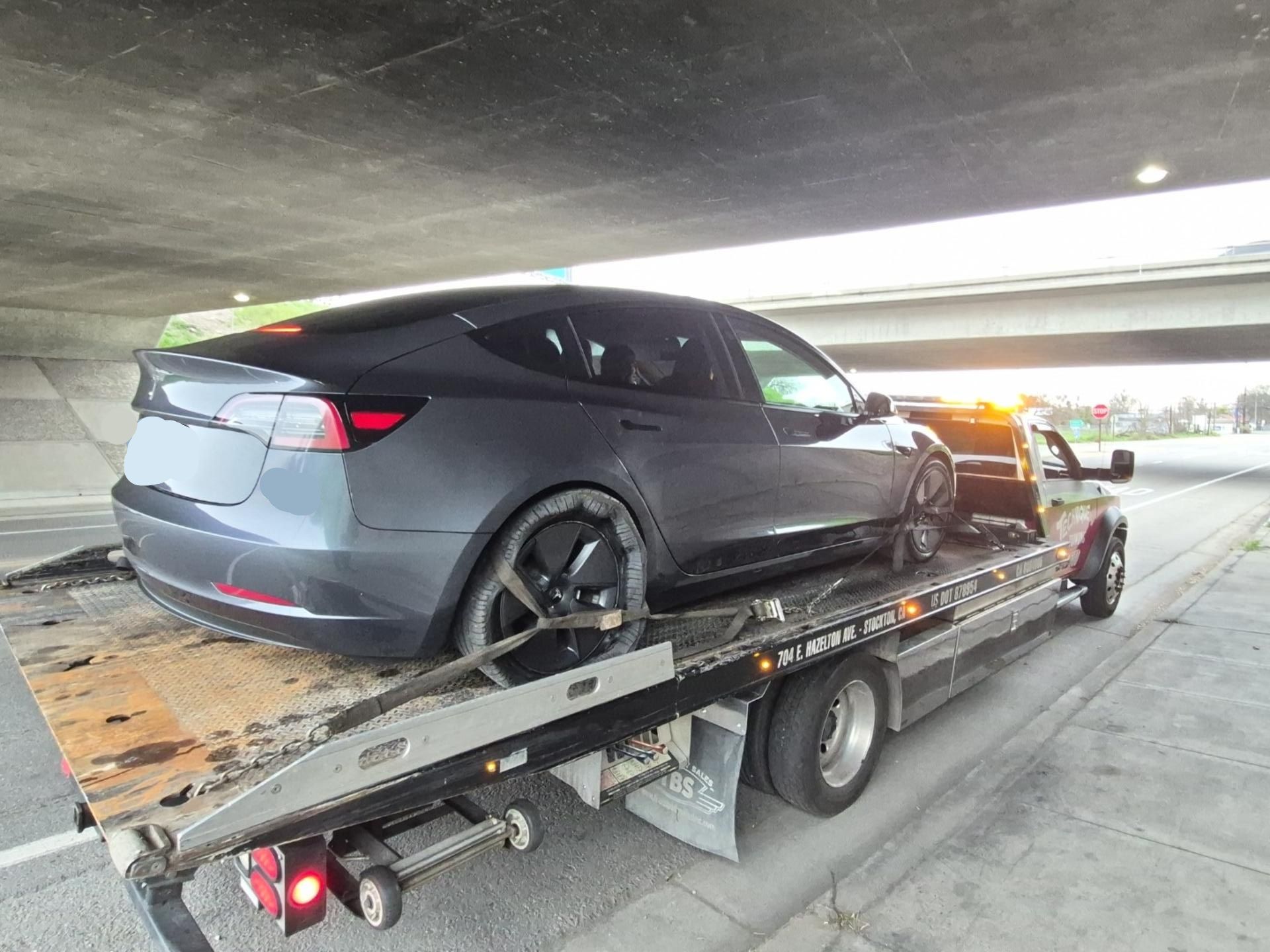
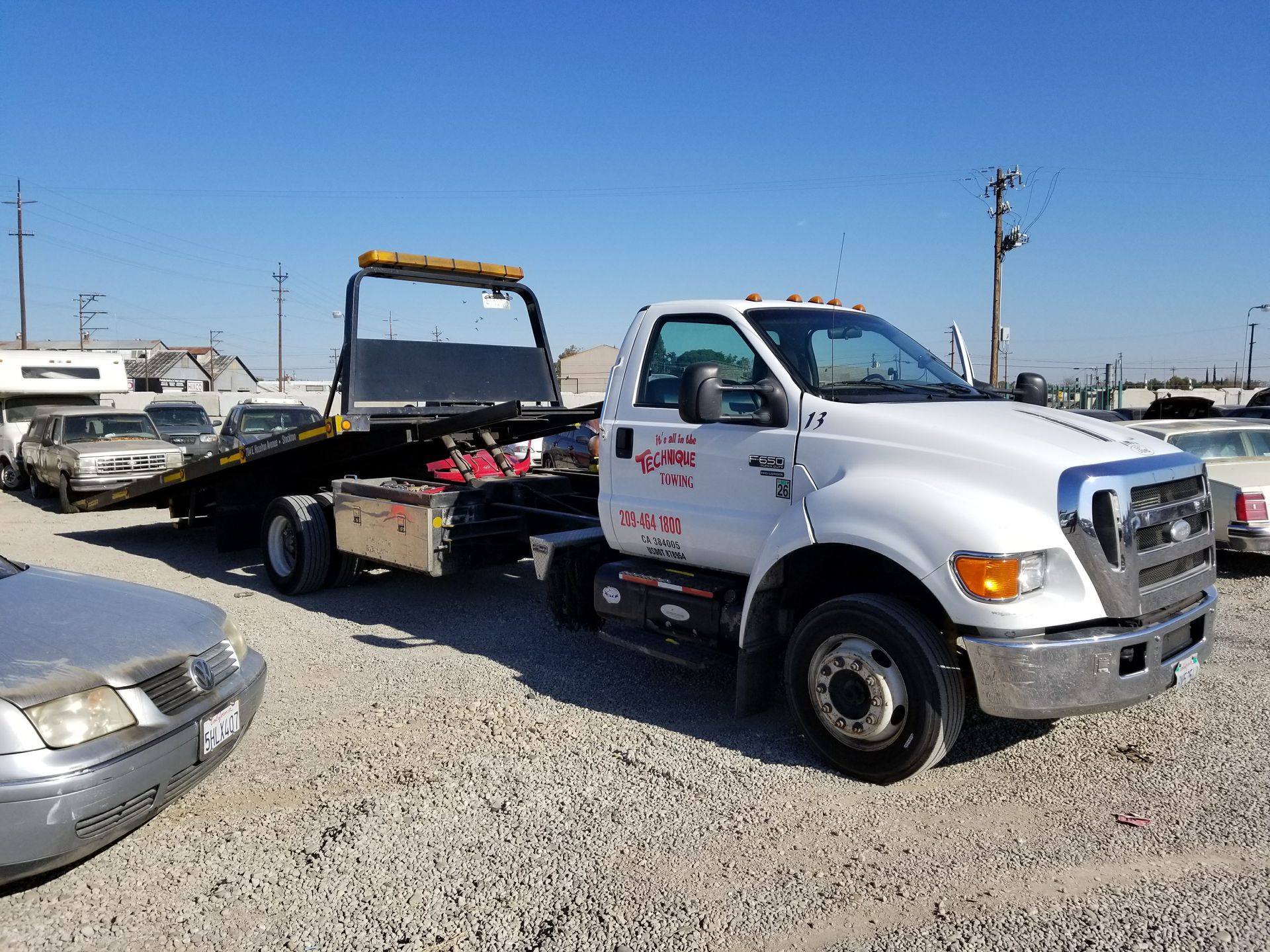
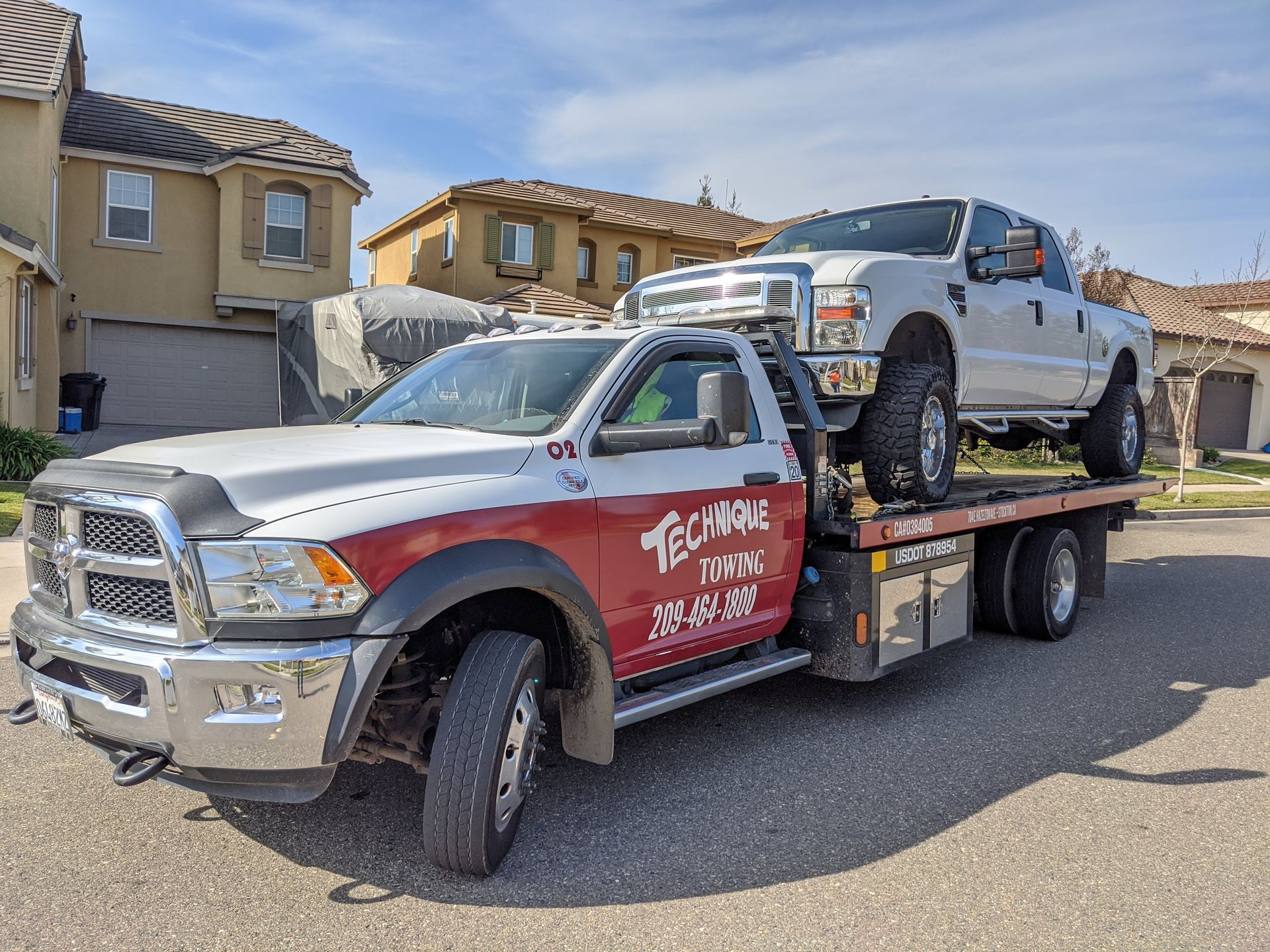
A flatbed (or rollback) has a long platform that tilts and slides to the ground. The entire vehicle is winched onto the deck so all four wheels are off the road.
This is the safer and more versatile choice for a wide range of situations common around Stockton and the Central Valley. Because nothing rolls, it protects:
- All-wheel-drive and 4x4 vehicles
- Low-clearance, modified, or performance cars
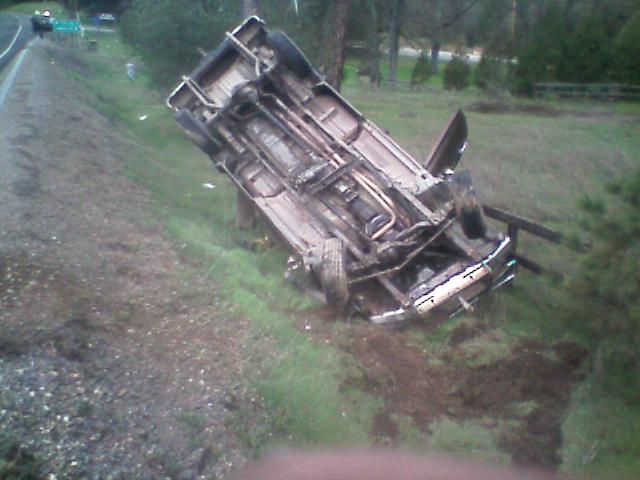
- Vehicles with major mechanical failure, locked transmissions, or damaged axles
- Most electric vehicles (many EV makers specifically recommend or require flatbed transport to avoid damage to the battery, motors, or electronics)
- Motorcycles, classic cars, and anything you simply want fully supported
Flatbeds take a bit more space and setup time, but the extra care is worth it on busy stretches of I-5 or Highway 99 where you want the vehicle secured quickly and completely.
Which One Does Your Vehicle Need?
In most cases, a flatbed is the more protective option, especially if you’re unsure about your drivetrain or if the vehicle has any damage.
Technique's drivers are trained in both types and can safely tow almost any vehicle with either type of equipment.
When you call for help, give the dispatcher a few key details:
- Make, model, and year
- Whether it’s AWD/4WD, front-wheel, or rear-wheel drive
- Any known damage, low clearance, or special equipment (lift kit, aftermarket parts, EV)
- Exact location and whether the vehicle can roll or is completely immobile
That information lets a local company like ours match the right truck the first time instead of sending something that won’t work safely.
A few practical tips while you wait:
- Stay well off the travel lanes if possible and keep your hazards on.
- For EVs, confirm the operator knows the proper procedures; improper towing can void warranties or cause expensive damage.
Technique Towing has both flatbed and wheel-lift capability and is available 24/7 throughout Stockton, San Joaquin County, and the surrounding Central California area. If you’re stuck and need the right truck sent quickly, call us at (209) 464-1800. We’ll ask the right questions and get the equipment that protects your vehicle on the way.