What to Do When Your Car Breaks Down in Stockton’s Summer Heat
The Heat can be brutal!

TITLE: What to Do When Your Car Breaks Down in Stockton’s Summer Heat
Summer in the Central Valley means long stretches of triple-digit heat, and Stockton is no exception. When temperatures climb into the upper 90s and beyond, vehicles take a beating. Engines work harder, batteries strain, tires heat up, and breakdowns become more common on I-5, Highway 99, and local roads throughout San Joaquin County.
If your car overheats or stops working on a hot day near Stockton, knowing what to do next can keep you safer while you wait for help.
### Why Heat Causes More Roadside Problems
High temperatures put extra stress on nearly every system in your vehicle. Coolant can boil if levels are low or the radiator isn’t working properly. Batteries lose efficiency in extreme heat, making jump-starts more frequent. Tires are more likely to lose pressure or fail. Air conditioning systems also work overtime, which can lead to electrical issues or compressor failures.
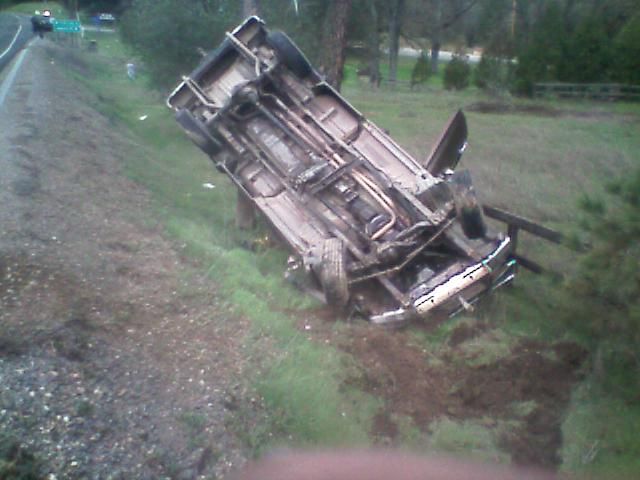
Many of the calls we respond to during heat waves involve overheating vehicles, dead batteries, and flat tires on the shoulders of busy highways. The combination of heat and traffic makes these situations more dangerous than a typical roadside stop.
### Immediate Steps If Your Vehicle Stops
Pull as far off the roadway as safely possible. On freeways like I-5 or Highway 99, that usually means the right shoulder. Turn on your hazard lights right away. If you have reflective triangles or a high-visibility vest, use them.
Stay with your vehicle if it is safe to do so. Leaving the car and walking along a high-speed highway in extreme heat increases risk from both traffic and heat-related illness. Keep windows cracked for ventilation if you remain inside, but avoid sitting in direct sun for long periods. If you have water, drink it. Heat exhaustion can set in quickly when you are stressed and waiting in high temperatures.
Call for roadside assistance as soon as you are stopped and visible. Provide your exact location—nearest exit, mile marker, or cross street—along with a description of the problem and your vehicle.
### What to Expect While Waiting
In hot weather, response times can still be reasonable with a local provider, but traffic and multiple calls sometimes slow things down. Stay calm and keep your phone charged if possible. Do not attempt major repairs yourself on the side of a busy road. Changing a tire or dealing with an overheated engine near fast-moving traffic is risky under any conditions and more so when the pavement is radiating heat.
If your vehicle is overheating, do not open the radiator cap while the engine is hot. Let it cool first. Continuing to drive an overheating vehicle can cause expensive engine damage.
### Simple Ways to Reduce the Risk
Before a long drive or during a heat wave, check your coolant level and condition. Make sure your battery terminals are clean and the battery is in good shape—heat accelerates battery failure. Keep tire pressure at the recommended level (check when tires are cool). Carry water, a basic emergency kit, and a charged phone. If your vehicle has been running hot lately, have the cooling system inspected before temperatures peak again.
These steps will not prevent every problem, but they reduce the chances of being stranded in the worst conditions.
### Local Help When You Need It
Breakdowns happen. When they do in the Stockton area or surrounding Central California roads, a local company that knows the highways and responds 24/7 can make a difficult situation more manageable.
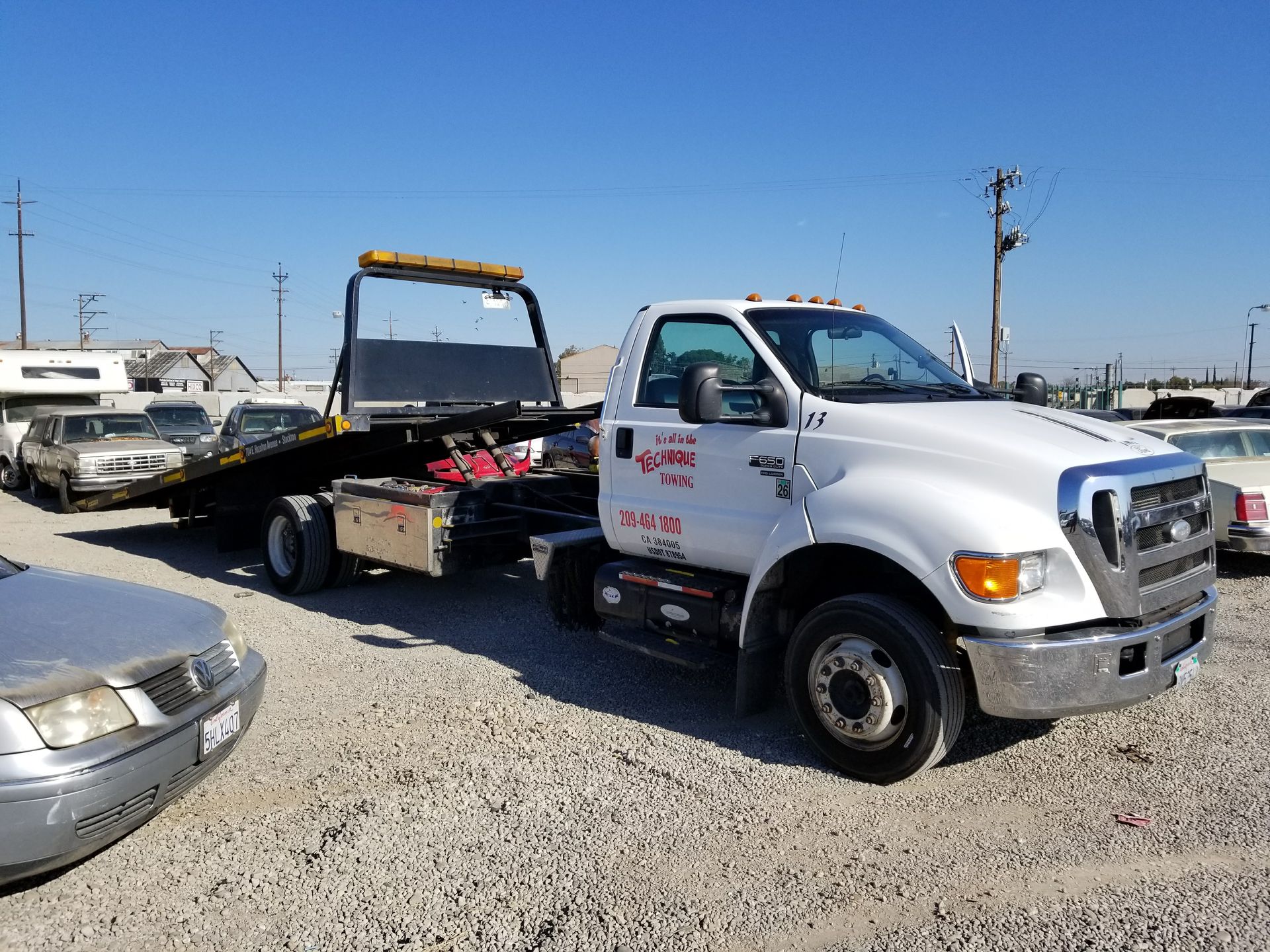
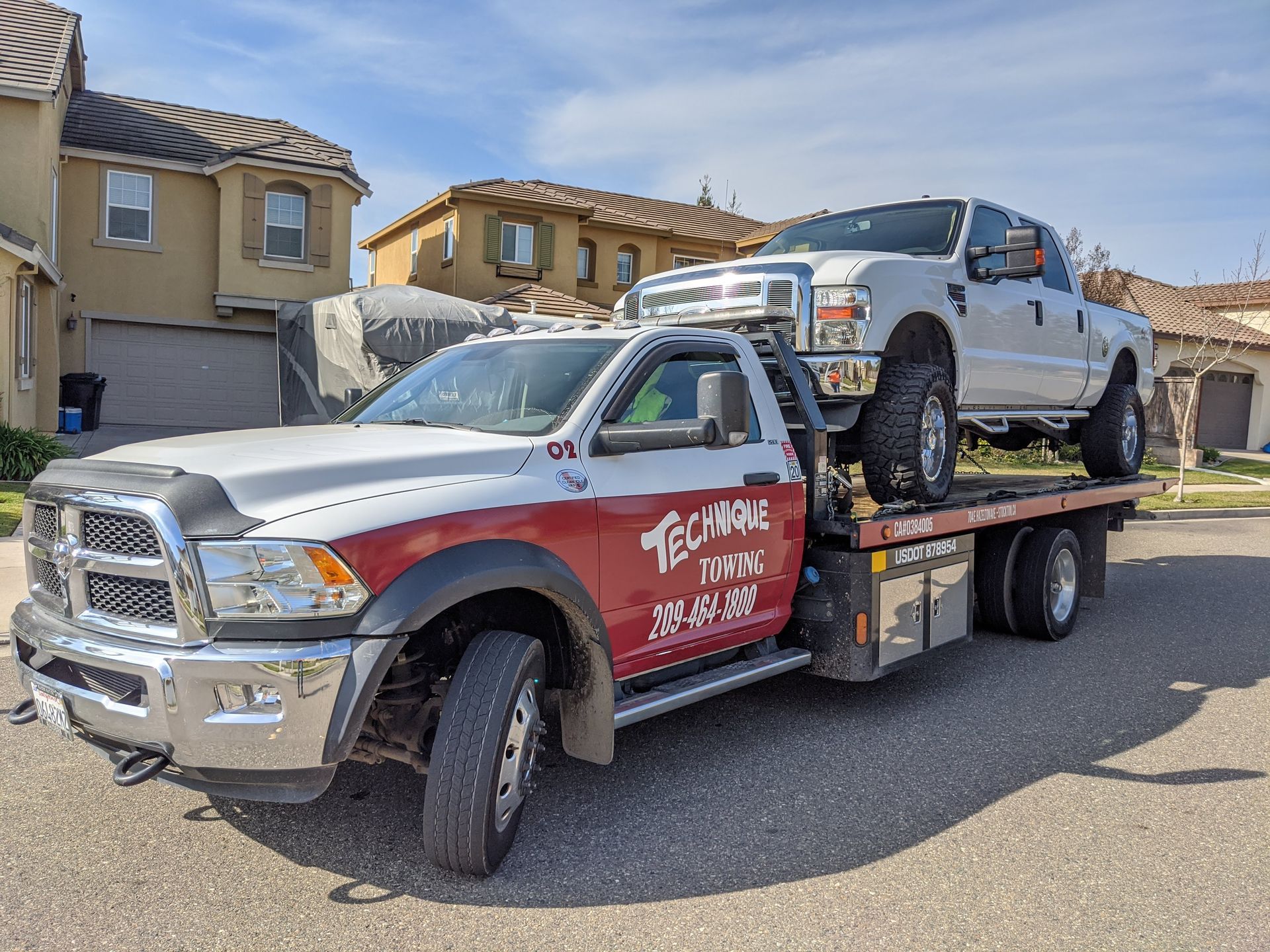
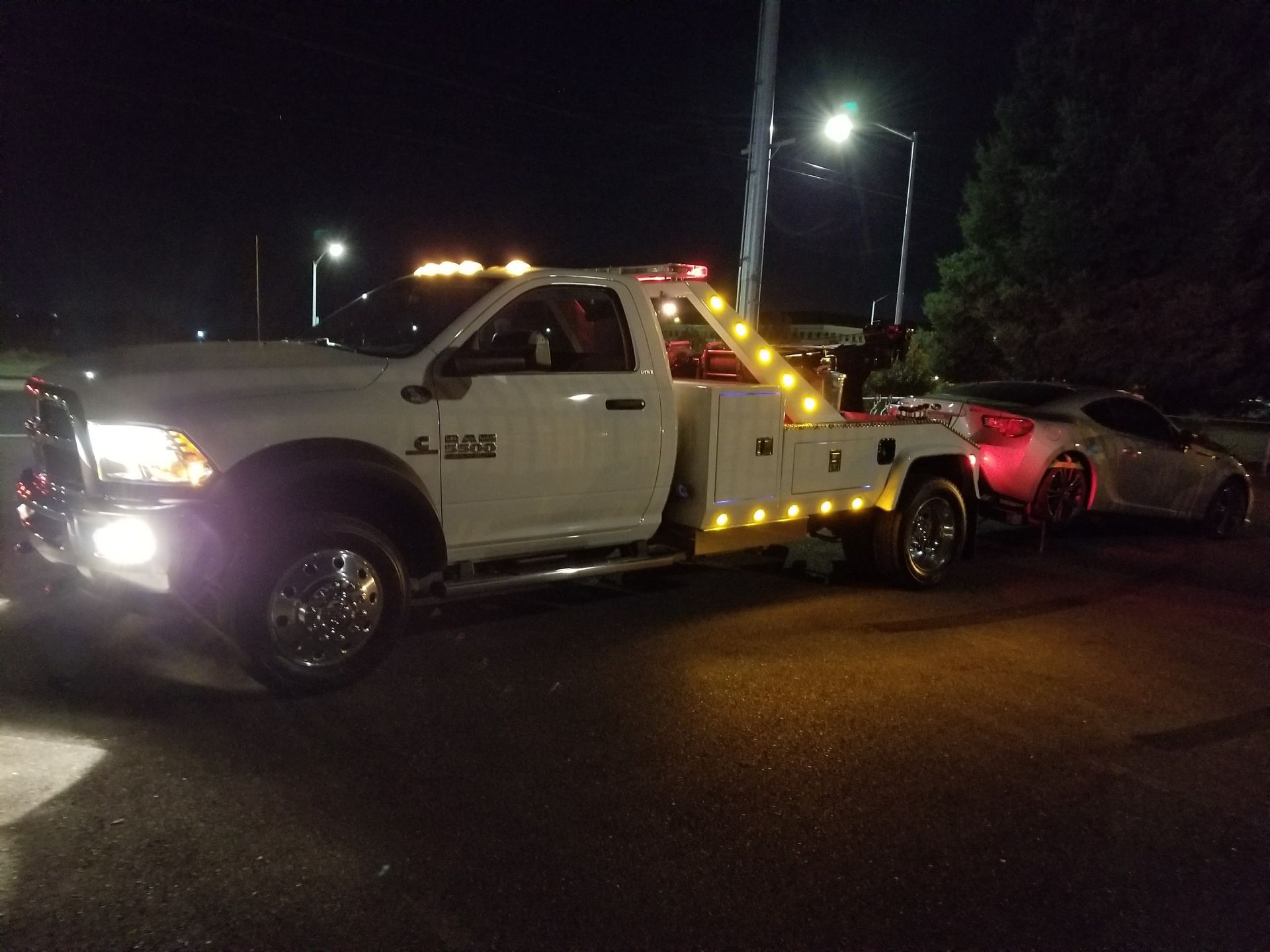
Technique Towing has been serving Stockton and San Joaquin County for decades. We handle overheating vehicles, dead batteries, flat tires, lockouts, and full tows with flatbed and wheel-lift equipment. Our drivers are trained for the conditions drivers face here year-round, including summer heat.
If you find yourself on the side of the road, call (209) 464-1800. We are available around the clock.