Fog and Fall Rain Are Coming: How Stockton Drivers Can Stay Safer on Local Roads
Late summer heat still hangs around Stockton, but Central Valley drivers know what's next. Cooler nights, damp mornings, and the return of tule fog can turn a normal commute on I-5, Highway 99, or local arterials into a low-visibility slog. You don't need a weather scare story—you need a short plan before the season starts.
Here's a practical checklist for San Joaquin County drivers before fog and fall rain become a daily factor.
Why fog hits the Valley so hard
Tule fog forms when cool, calm air sits over moist ground. The Central Valley is built for it. Visibility can drop fast on open stretches and near agricultural land, and even experienced drivers misjudge following distance when the world turns gray.
Rain adds another layer: slick pavement after dry weeks, longer stopping distances, and spray from trucks on I-5 and Hwy 99. Pair either condition with rush hour and small mistakes get expensive.
Before fog season: quick vehicle checks
Do these while the weather is still easy:
- Lights that work. Headlights, taillights, brake lights, and hazards. Fog is when other people need to see you.
- Wipers and washer fluid. Streaky blades and empty fluid turn light rain into a blind drive.
- Tires with decent tread. Worn tires lose grip faster on wet pavement. Check pressure while tires are cold.
- A charged phone and a simple kit. Flashlight, reflective triangle or cones if you have them, and a jacket. Keep roadside numbers saved, not buried in email.
You don't need a full winter overhaul. You need the basics ready before the first dense morning.
Driving in fog near Stockton
National Weather Service guidance for dense fog is straightforward, and it applies on local roads as much as the freeway:
- Slow down early. Speed that feels fine in clear air is too fast when you can't see the next brake lights.
- Use low beams (and fog lights if you have them). High beams bounce off the fog and make it worse.
- Leave more space than usual. Sudden stops are common when visibility drops.
- Follow the lane lines, not the glow of the car ahead. Tailgating a pair of lights is how chain-reaction crashes start.
- If visibility goes near zero, pull into a safe parking lot when you can. If you must stop on the shoulder, get as far right as possible, use hazard lights, and avoid sitting with only brake lights lit so others don't think you're still moving.
If you're already in a jam on I-5 or Hwy 99 and traffic is stopped, stay in your vehicle unless there's an immediate danger, and give emergency crews room on the shoulder.
Driving in the first heavy rains
After a dry stretch, oil and dust make the first rain especially slick. Ease off the throttle in turns, leave extra following distance behind trucks, and avoid abrupt lane changes through spray. If your car starts hydroplaning, ease off the gas and steer straight until you regain grip—don't slam the brakes.
If a warning light comes on, a tire goes flat, or you lose power in wet weather, get out of the travel lane when it's safe, then call for help with your exact location (direction, nearest exit or cross street, and vehicle type).
When roadside help makes more sense than pushing it
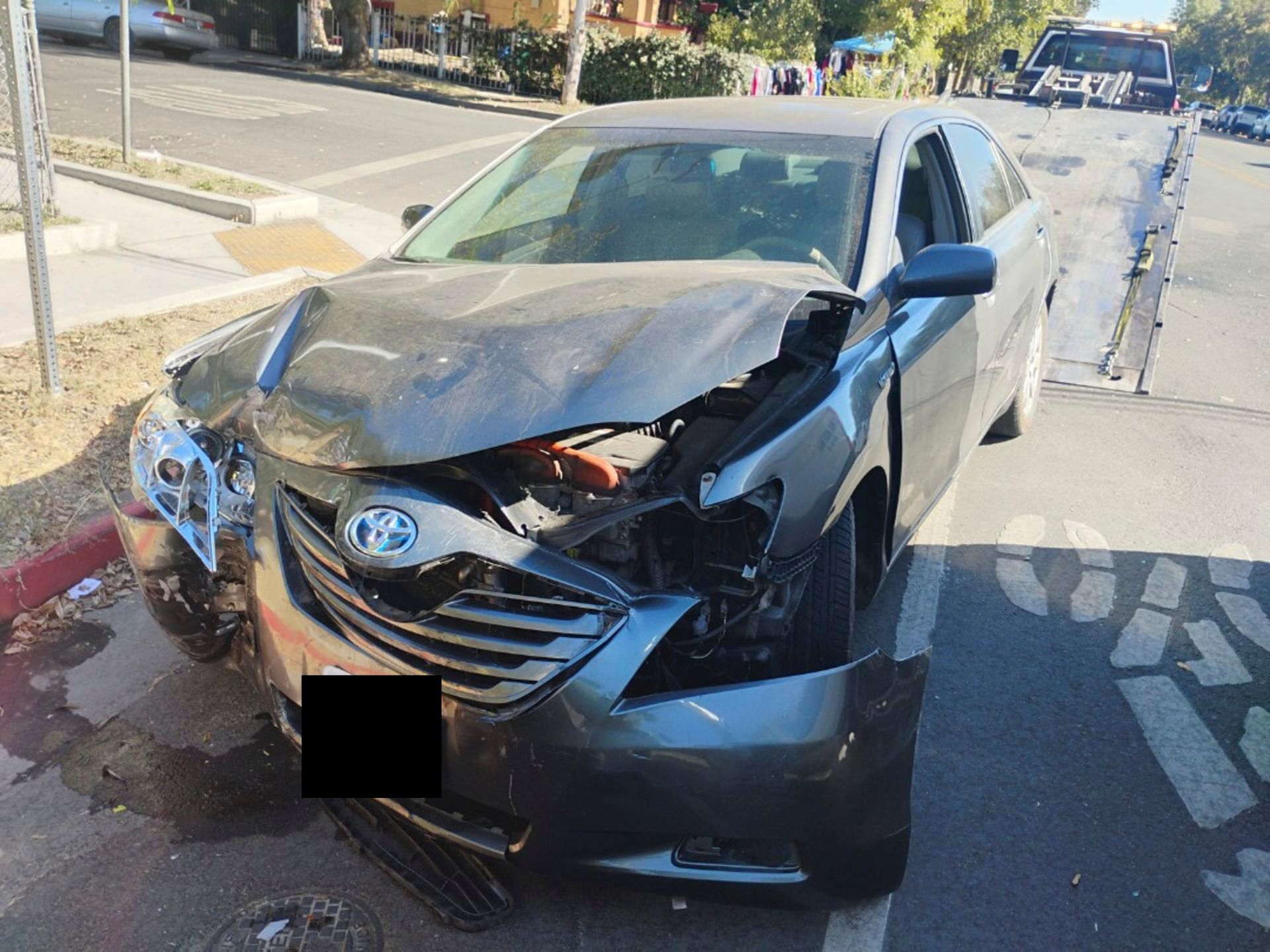
Fog and rain are when "I'll just make it home" turns into a second problem. A dead battery after sitting with lights on, a flat on a wet shoulder, or a car that won't restart after a long stop are all reasons to call rather than walk along a live freeway.
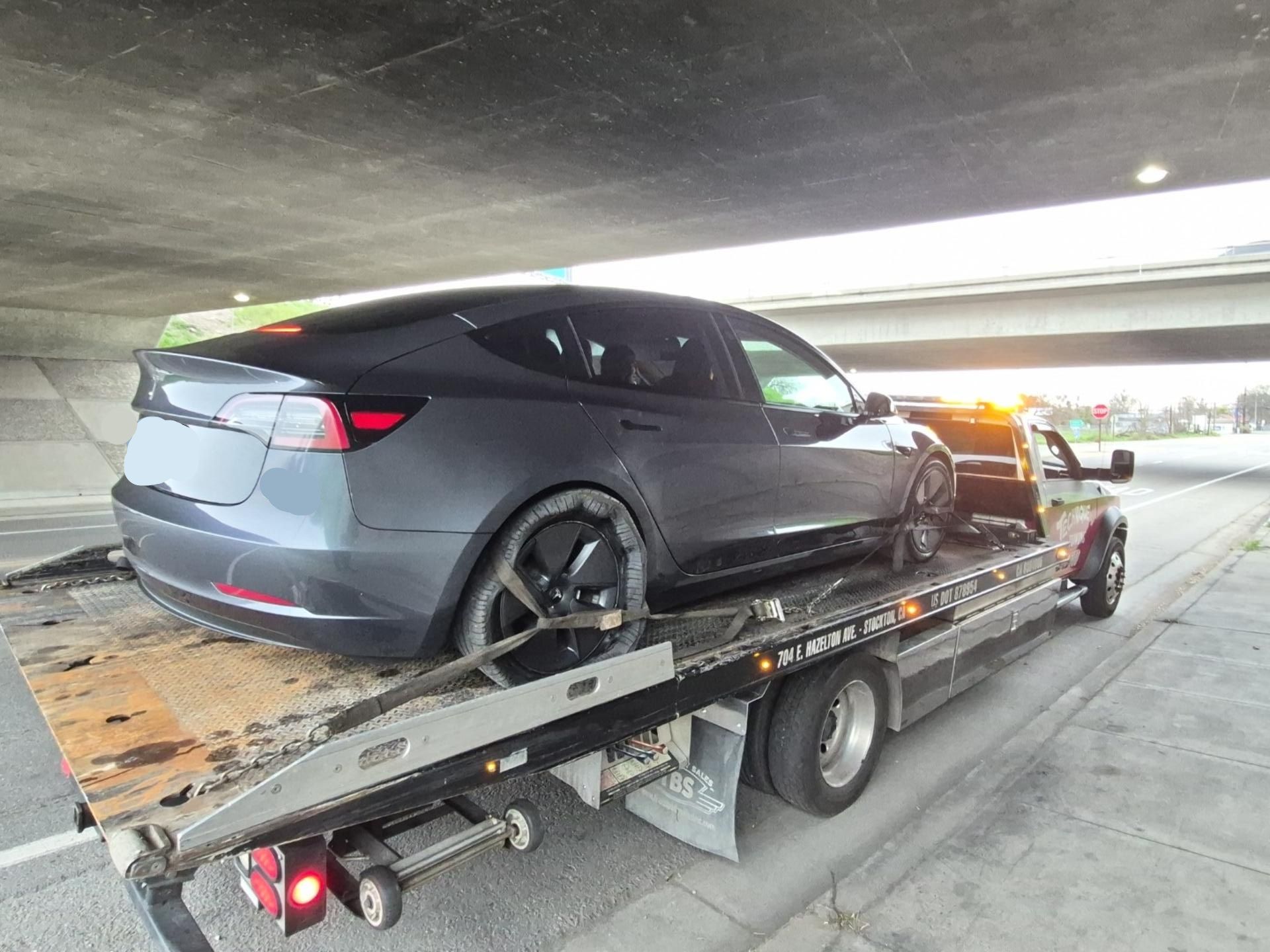
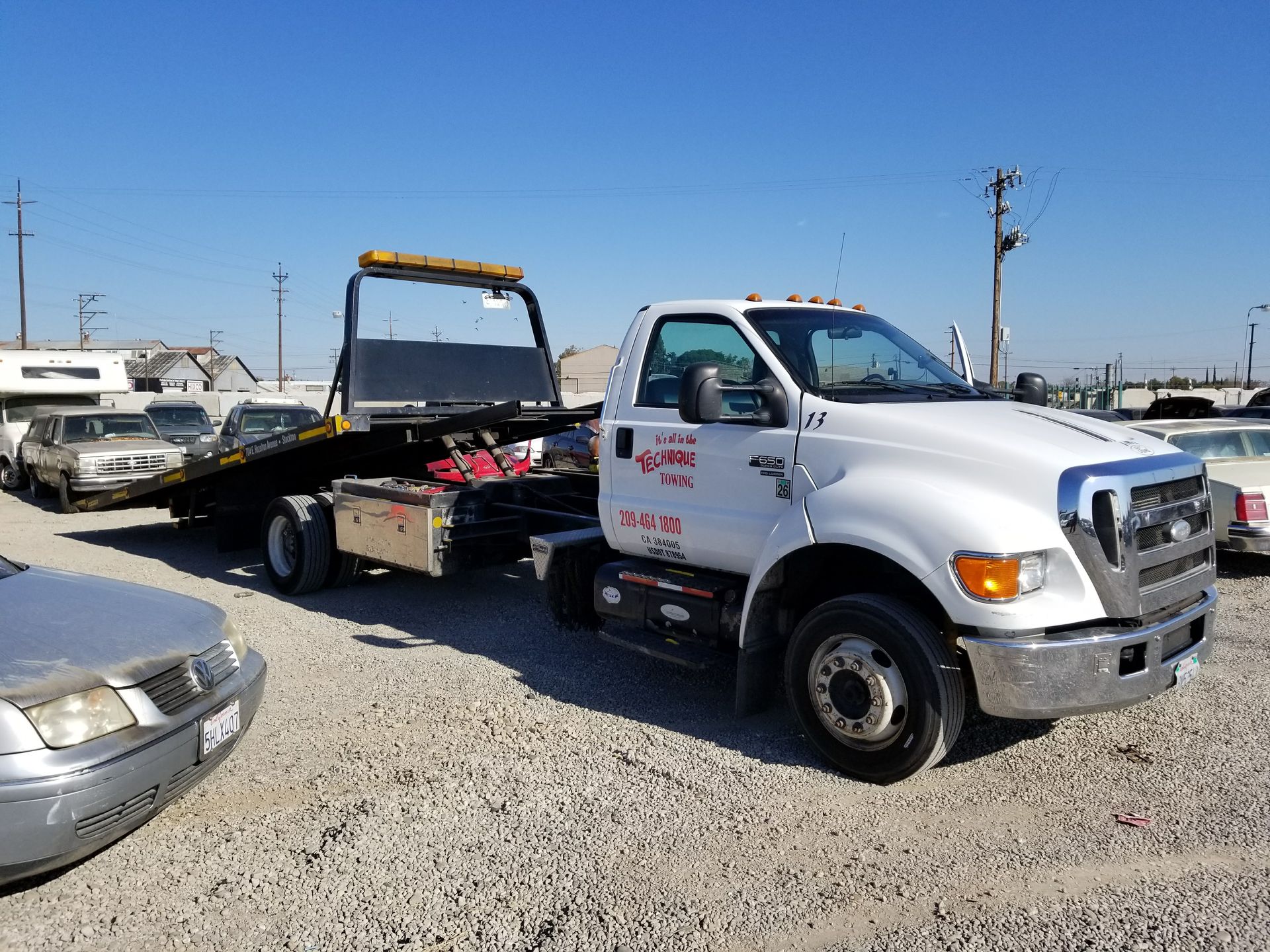
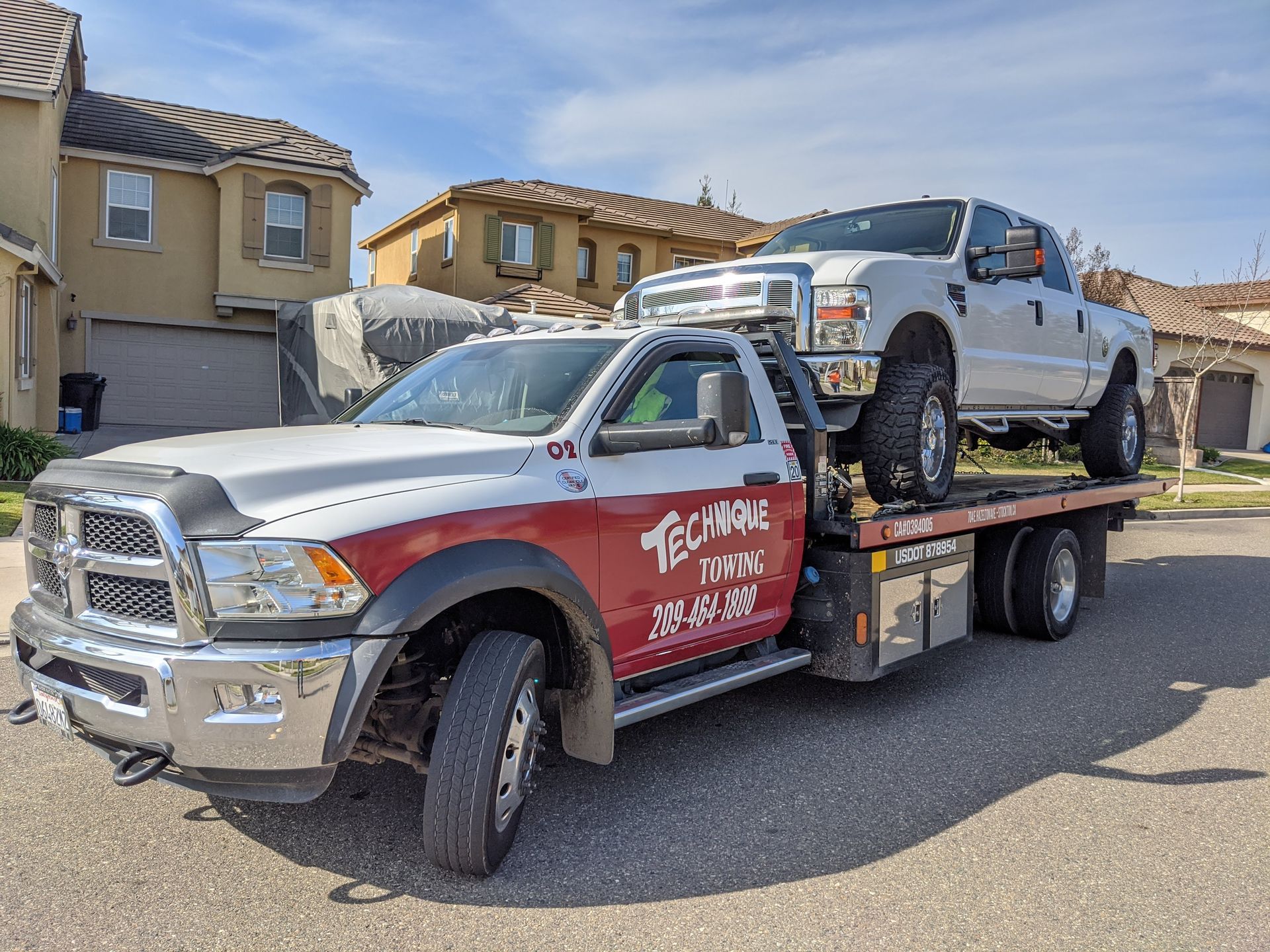
Technique Towing is a family-owned Stockton company serving San Joaquin County and nearby Central Valley roads 24/7. If you need a tow, jump start, tire change, or other roadside help, call (209) 464-1800 and tell us where you are and what you're driving so we can send the right truck.
Prep the car. Slow down when the Valley goes gray. And if the weather turns a delay into a breakdown, get help instead of gambling on the next exit.