EV Won't Move? What Stockton Electric Vehicle Owners Should Know Before Calling a Tow
More Stockton drivers are going electric, from Teslas to Bolts to plug-in hybrids. EVs still get flats, run low on charge, and end up in fender benders, and when they need a tow, they need a little more care than a gas car. Here's what to know before you call.
First, Figure Out What Kind of "Dead" It Is
An EV can stop working for two very different reasons, and telling them apart helps get the right help sent.
- Out of range: The main battery pack is empty. The screen may still turn on, but the car shows little or no range and won't drive.
- Dead 12-volt battery: Most EVs still have a small low-voltage battery that runs the screens, locks, and computers. If it dies, the car may not unlock, wake up, or shift out of park, even if the main pack has plenty of charge.
A low 12-volt battery can sometimes be handled with a jump at the scene, but the process varies by make and model. Check your owner's manual before anyone connects cables, and don't improvise on a busy shoulder.
Flatbed, Wheel-Lift, or Dollies: Keeping the Drive Wheels Off the Road
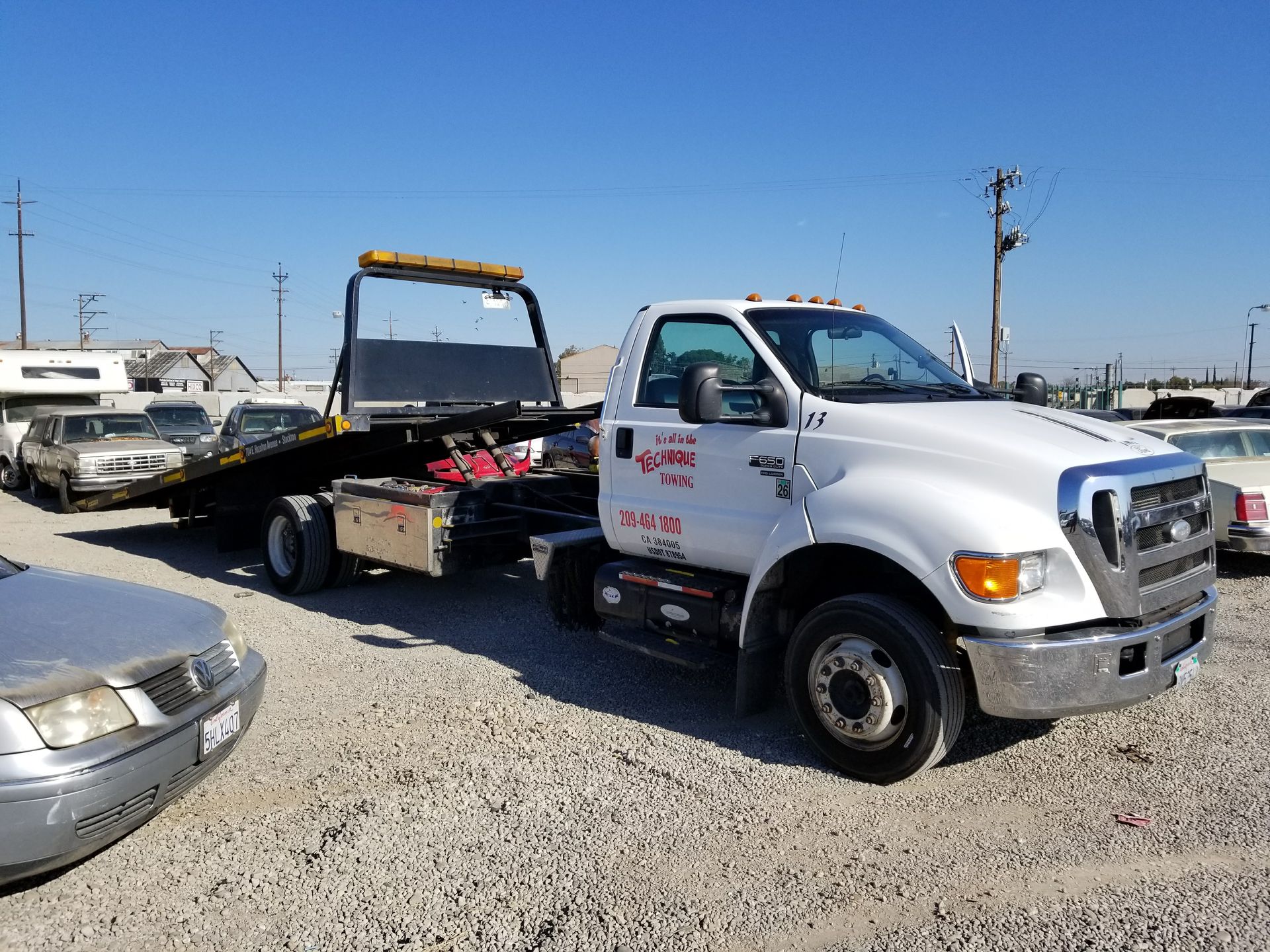
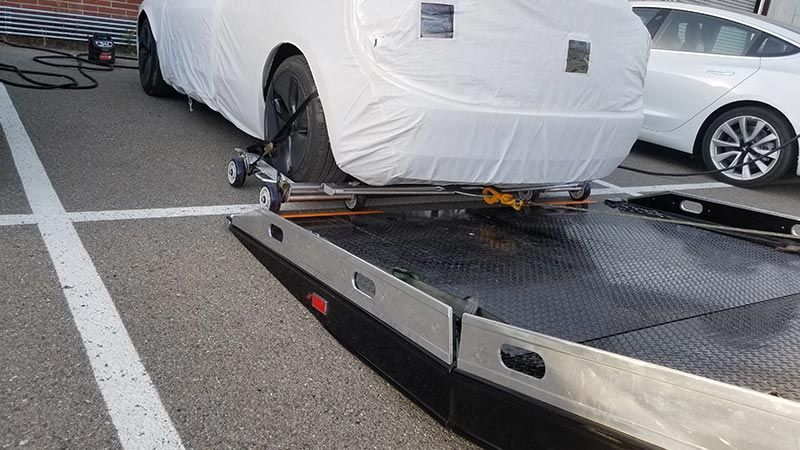
Many EV manufacturers say not to tow their vehicles with the drive wheels turning on the ground. On an electric car, the wheels are connected to the motors, and spinning them during a tow can damage the drivetrain. The key is keeping the drive wheels off the pavement. A flatbed does that, and so does a wheel-lift tow with dollies under the wheels that stay on the ground. Both are approved ways to tow an EV, and we use whichever fits the car and the location.
If you're not sure what your car needs, your owner's manual will say how it should be transported. When you call us, just tell us it's an EV and we'll plan the right equipment.
Know Your Car's Tow or Transport Mode
EVs often hold their own parking brake when they're switched off, so the car can't simply be rolled onto a truck. Many models have a tow or transport mode, set from the touchscreen or app, that lets the wheels roll freely for loading.
Look up how to turn that mode on before you need it. If the 12-volt battery is dead, the screen may not respond, so let dispatch know.
If Your EV Was in a Crash or Flood
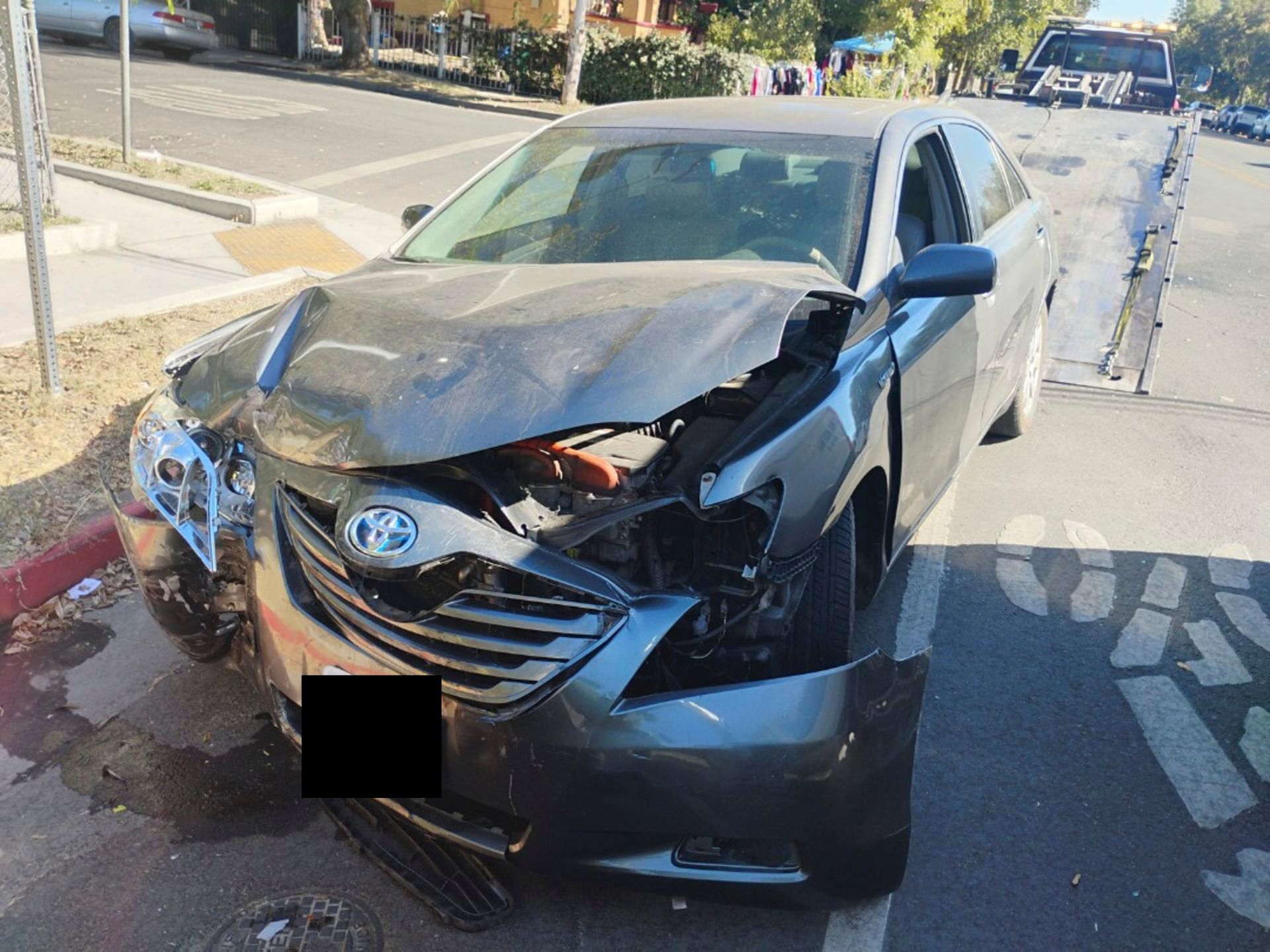
A damaged high-voltage battery needs extra caution. After a collision, or if the car sat in deep water, don't keep driving or charging it until it's been checked out.
Move away from the vehicle and call 911 if you notice:
- Smoke or a strange chemical smell
- Hissing, popping, or crackling sounds
- Unusual heat coming from under the car
Tell both the tow dispatcher and your insurance company that the car is electric and what happened, so it can be handled and stored safely.
What to Tell Dispatch
The more we know up front, the smoother the tow goes. Have this ready:
- Make, model, and year (for example, "2021 Tesla Model Y")
- Whether the screen and locks still work
- Whether the car can be put in neutral or tow/transport mode
- Your exact location, such as the nearest exit on I-5 or Highway 99
- Where you want the car to go: home, a charger, a dealer, or a body shop
Plan Ahead to Avoid Getting Stranded
A few habits go a long way:
- Keep a charging buffer on longer drives, especially on cold mornings or at highway speeds, when range drops faster
- Know where chargers are along your regular routes around Stockton and San Joaquin County
- Save your manual's towing page or your car's tow mode steps on your phone
- Keep tires properly inflated, since EVs are heavy and low tires cost range
Stuck in Your EV? We Can Help
Technique Towing is family-owned and has been serving Stockton since 2007, with towing and roadside help 24 hours a day, 7 days a week. If your EV won't move, call us at (209) 464-1800.