Jump-Start or New Battery? How Stockton Drivers Can Tell the Difference
Tips from Technique Towing in Stockton
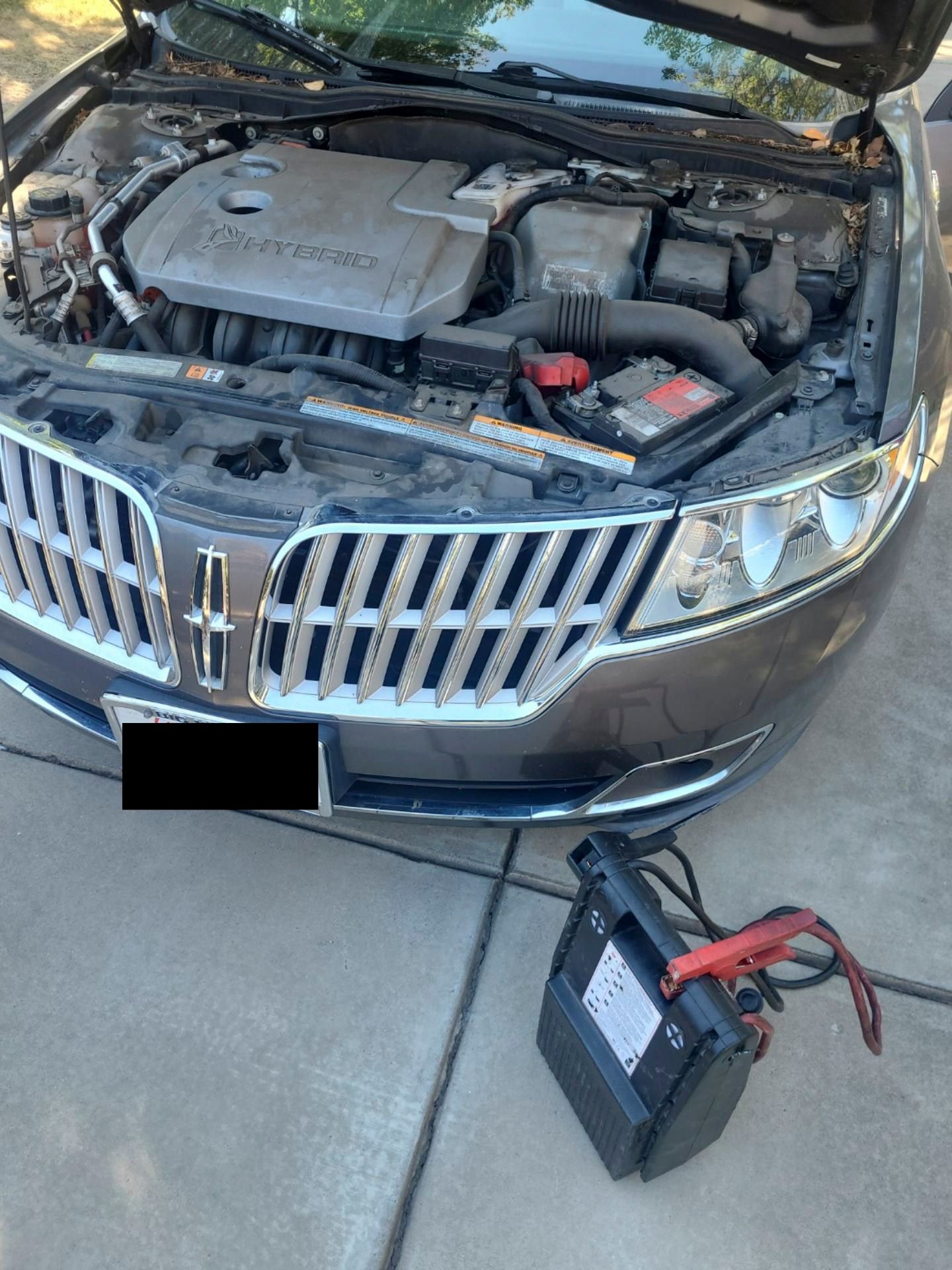
Cooler fall mornings are here in Stockton, and the clocks fall back on November 1. More early starts in the dark and the cold is when a weak car battery tends to give out. When your car won't start, the big question is simple: will a jump-start get you going, or do you need a new battery?
Here's how to tell the difference, and what to do either way.
Signs a Jump-Start Will Probably Do the Job
A jump-start usually works when the battery is drained but still healthy. That often happens when:
- You left the headlights, an interior light, or a charger plugged in overnight
- The car sat for a week or more without being driven
- You made a lot of short trips without giving the battery time to recharge
- The dash lights come on, but the engine clicks or cranks slowly
If the car starts after a jump and keeps starting normally over the next few days, the battery may just have needed a charge. Drive for at least 20 to 30 minutes after a jump so the alternator can top it back up.
Signs You Likely Need a New Battery
A jump gets you moving, but it can't fix a battery that's worn out. Watch for:
- The car needs a jump again within a day or two
- The engine cranks slowly most mornings, not just once
- The battery is several years old (many last roughly three to five years, depending on heat, driving habits, and the battery itself)
- White or blue-green corrosion builds up on the terminals
- The battery case looks swollen, cracked, or is leaking
- You smell a rotten-egg odor near the battery
Central Valley summers are hard on batteries. Heat can wear one down over the summer, and the damage often shows up when the first cool mornings arrive.
When It Might Not Be the Battery at All
Sometimes the battery isn't the real problem. If the battery warning light comes on while you're driving, the headlights dim at idle, or a new battery keeps going dead, the alternator or charging system may be failing. A loose or corroded cable can also look like a dead battery. In those cases, a jump may get you started but won't keep you going, and a tow to a shop can be the safer call.
Staying Safe During a Jump-Start
If you jump-start the car yourself:
- Park somewhere safe, out of traffic, with hazard lights on
- Check your owner's manual first, especially for hybrids, EVs, and newer vehicles with specific jump points
- Don't jump a battery that's cracked, leaking, or frozen
- Connect and remove cables in the order your manual shows, and keep the clamps from touching each other
If you're on a busy road, it's dark, or you're not sure how your vehicle should be jumped, it's fine to call for help instead.
What to Tell Dispatch
When you call for a jump-start, a few details help us send the right help:
- Your exact location or nearest cross street
- Year, make, and model, and whether it's gas, hybrid, or electric
- What happens when you turn the key or press start (clicking, slow crank, or nothing)
- Whether this has happened before recently
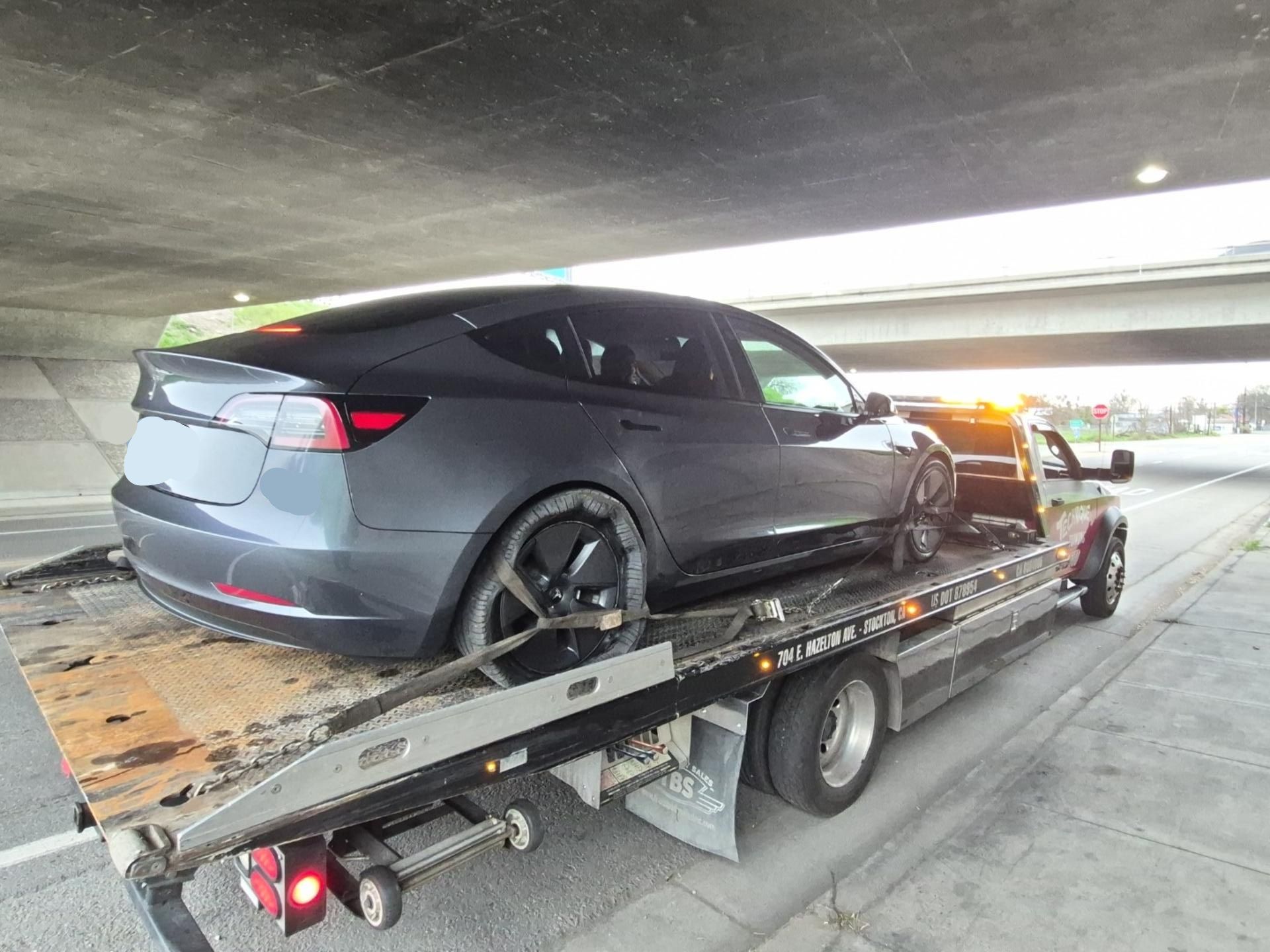
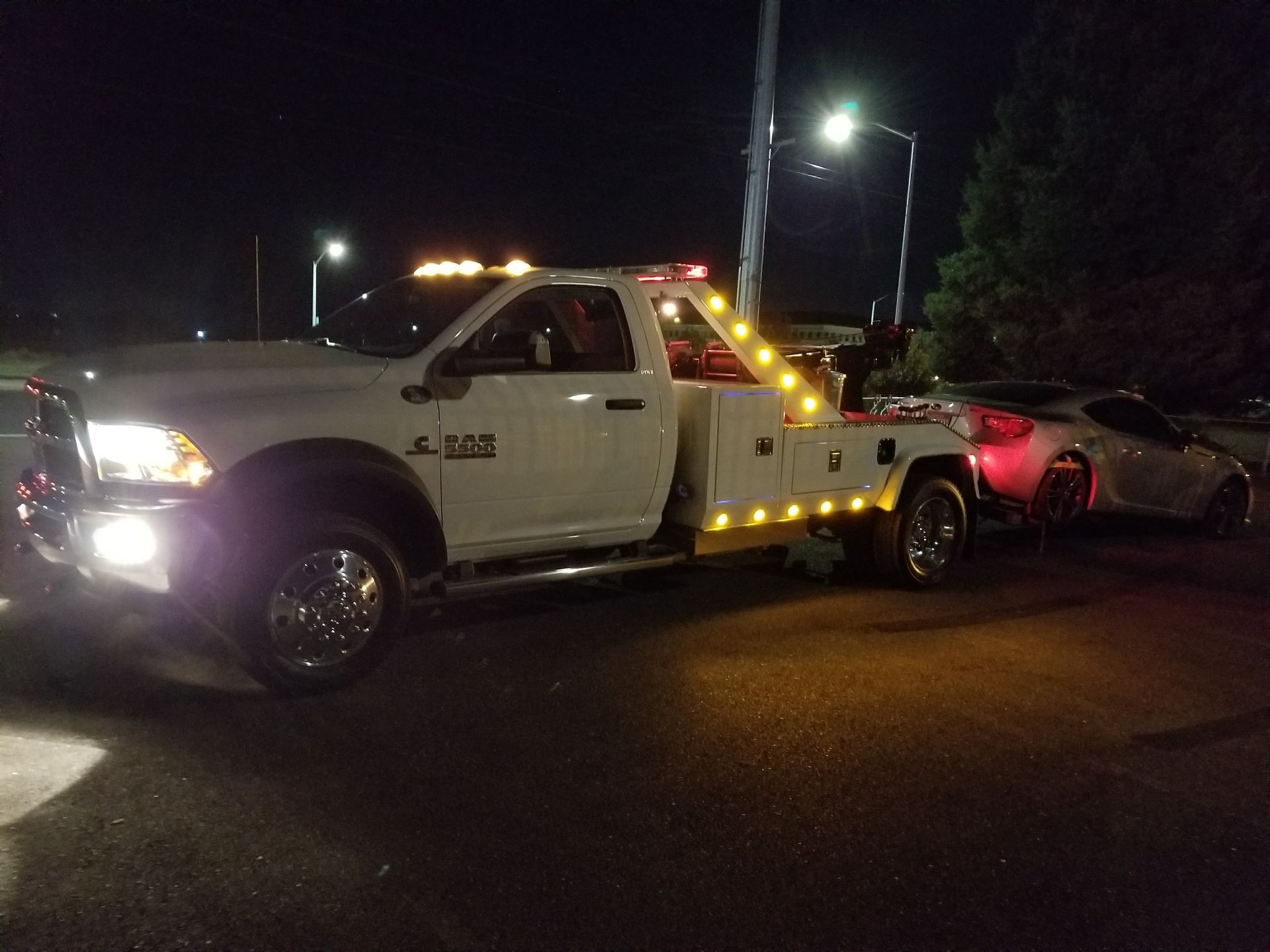
If the jump doesn't hold or the car shows signs of a bigger problem, we can tow it to your shop or home.
Need a Jump-Start in Stockton?
Technique Towing is a family-owned towing and roadside company, founded in 1996 and serving Stockton since 2007. We help with jump-starts, lockouts, flat tires, and tows 24/7. If your car won't start, call us at (209) 464-1800 or visit https://www.techtow.com/.